


SKU #45390
·
50 views
Eggplant Nasoloda
Eggplant
User rating
0 votes0% positive reviews
No ratings yet — be the first.
Growing
Open Ground, Covered Ground
Maturation Period (Seedlings)
110-120 days
Fruit; weight
100-200 grams, 200-300 grams
Fruit; shape
Oval
Store offers · 2 from 2 stores
Prices are updated on loadLoading offers…
Available at: Днепросортсемовощ · Sadtagorod
Aggregator catalog: prices are collected automatically from store websites, normalized by AI and converted at the current exchange rate. Before ordering, confirm the price and availability on the store's website. This block is not indexed by search engines — the data is loaded after the page opens.
About product

The 'Nasoloda' eggplant variety is a medium-early Ukrainian cultivar intended for cultivation both in open ground and in plastic greenhouses. From germination to technical maturity, it takes approximately 115-120 days. The plant is medium-height, spreading, reaching 55-70 cm, with a thornless calyx. Fruits are oval-shaped, 10-15 cm long, weighing from 112 to 300 g, black-purple in color with a smo…
Growing
Open Ground, Covered Ground
Maturation Period (Seedlings)
110-120 days
Fruit; weight
100-200 grams, 200-300 grams
Fruit; shape
Oval
Description
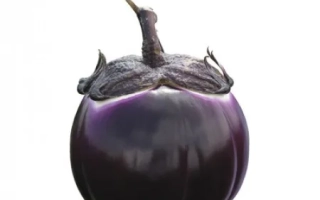
The 'Nasoloda' eggplant variety is a medium-early Ukrainian cultivar intended for cultivation both in open ground and in plastic greenhouses. From germination to technical maturity, it takes approximately 115-120 days. The plant is medium-height, spreading, reaching 55-70 cm, with a thornless calyx. Fruits are oval-shaped, 10-15 cm long, weighing from 112 to 300 g, black-purple in color with a smooth, shiny skin. The flesh is white, medium-density, tender, and completely non-bitter, with a mild mushroom aroma, making this variety particularly suitable for stuffing and other culinary purposes. The 'Nasoloda' variety exhibits good resistance to several diseases, including macrosporiosis, tip rot, and viral diseases, enhancing its reliability in cultivation. The crop is heat- and light-loving, requiring well-structured soil and adequate moisture, so nutrient-rich and well-drained soil is essential for successful cultivation. Seeds are sown in greenhouses or polytunnels at a depth of 1-1.5 cm, while hardened seedlings with 5-6 well-developed leaves are transplanted into open ground at a spacing of 60-70x25-30 cm. To obtain a high-quality yield, it is recommended to prune the plants by removing side shoots and leaves up to the first flower cluster. In southern regions, direct sowing in open ground can be done in March-April, while seedlings are sown at the end of February and transplanted into the ground at the end of May. Due to its adaptability to various growing conditions and resistance to diseases, the 'Nasoloda' variety is popular among gardeners and farmers, ensuring a stable and flavorful harvest.
Crop & resistance
Crop
Disease resistance
Specifications hover over for a hint about the specification
|
Growing
Growing
Eggplant is grown in open fields and under protective cover on small areas. |
|
|---|---|
|
Maturation Period (Seedlings)
Maturation Period (Seedlings)
From germination to technical maturity, early-maturing varieties require 85-120 days, medium-maturing varieties require 120-140 days, and late-maturing varieties require 130-150 days; therefore, direct seeding is only feasible in southern regions. |
110-120 days |
|
Fruit; weight
Fruit; weight
Table watermelons weigh 0.6-16 kg. |
100-200 grams, 200-300 grams |
|
Fruit; shape
Fruit; shape
Spherical, oval, flattened or cylindrical shape. |
|
|
Fruit; flower
Fruit; flower
At technical maturity, fruit color varies from white, light purple to dark purple. |
|
|
Fruit; length
Fruit; length
Length from 6 to 70 cm. |
6-11 cm |
| Registration year | 2018 |
| Catalog | Catalog → Eggplant |
| Legal data |
Show · 1
|
| Country | Ukraine |
Not yet комментариев. Be the first!
Alternatives
Eggplant seeds · similar varieties



See also
Often considered together with this variety




Recently viewed
Products you’ve viewed on this site
Reviews · 0