

SKU #45146
·
44 views
Greta
Carrot
Приватне підприємство "Агросвіт"User rating
0 votes0% positive reviews
No ratings yet — be the first.
Variety Type
Nantes
Direction
Recycling, Storage
Maturation Period
100 - 110 days
Root; shape
Cylindrical, Conical
Store offers · 20 from 3 stores
Prices are updated on loadLoading offers…
Available at: Agrolife · LuckySeed · Semena-online
Aggregator catalog: prices are collected automatically from store websites, normalized by AI and converted at the current exchange rate. Before ordering, confirm the price and availability on the store's website. This block is not indexed by search engines — the data is loaded after the page opens.
About product

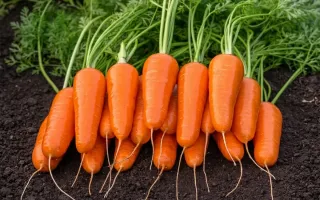
Greta carrot is a medium-maturing hybrid of the Nantes type with a vegetation period of 100-110 days. This variety is intended for early and main harvests, suitable for fresh consumption, processing, and long-term storage up to 6 months. The roots are cylindrical or conical in shape with a smooth surface and bright orange color. The average weight of the roots is 200-220 grams. They are distinguis…
Variety Type
Nantes
Direction
Recycling, Storage
Maturation Period
100 - 110 days
Root; shape
Cylindrical, Conical
Description
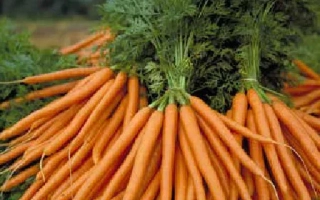
Greta carrot is a medium-maturing hybrid of the Nantes type with a vegetation period of 100-110 days. This variety is intended for early and main harvests, suitable for fresh consumption, processing, and long-term storage up to 6 months. The roots are cylindrical or conical in shape with a smooth surface and bright orange color. The average weight of the roots is 200-220 grams. They are distinguished by juiciness, crisp texture, aroma, and resistance to cracking, making them attractive to consumers and convenient for transportation and storage.
The plant has small leaves, which account for only a quarter of the total weight of the root. Greta carrot is resistant to bolting, ensuring stable yield and product quality. The variety has high germination rate, good adaptability to various soil-climate conditions, and excellent fruit marketability. The recommended sowing rate is 1-1.2 million seeds per hectare.
For successful cultivation, Greta carrot prefers chernozem, chestnut, peat, sandy, and light loamy soils. Crop rotation should be observed, avoiding planting after umbelliferous and related crops such as pastinaca, celery, parsley, dill, radish, turnip, and beet. Suitable predecessors include cabbage, cucurbits, onion, legumes, winter cereals, tomatoes, and annual herbs. This variety is relatively drought-tolerant, and for disease prevention, soil liming is effective.
The plant has small leaves, which account for only a quarter of the total weight of the root. Greta carrot is resistant to bolting, ensuring stable yield and product quality. The variety has high germination rate, good adaptability to various soil-climate conditions, and excellent fruit marketability. The recommended sowing rate is 1-1.2 million seeds per hectare.
For successful cultivation, Greta carrot prefers chernozem, chestnut, peat, sandy, and light loamy soils. Crop rotation should be observed, avoiding planting after umbelliferous and related crops such as pastinaca, celery, parsley, dill, radish, turnip, and beet. Suitable predecessors include cabbage, cucurbits, onion, legumes, winter cereals, tomatoes, and annual herbs. This variety is relatively drought-tolerant, and for disease prevention, soil liming is effective.
Crop & resistance
Crop
Specifications hover over for a hint about the specification
|
Variety Type
Variety Type
Carrot varieties are grouped into ten variety types: Parisian Carrot. Round, high-carotene carrots. Characterized by a short growing season. Varieties of this type have round-oval roots no longer than 10 cm and up to 50 g in weight. Mostly used in greenhouses, for early harvest a... |
|
|---|---|
|
Direction
Direction
Existing varieties and types of cabbage are grown for fresh consumption, long-term storage, and technical processing. |
|
|
Maturation Period
Maturation Period
Vegetation period from emergence to technical maturity 30-50 days. |
100 - 110 days |
|
Root; shape
Root; shape
Roots can be round, elongated-round, cylindrical, conical. |
|
|
Root vegetable; color
Root vegetable; color
Carrot root can be orange, red-orange, pink, yellow, white, purple. The intensity of color depends on the content of pigments. |
|
|
Recommended Density
Recommended Density
Optimal productivity is achieved at a planting density of 4000-5500 plants/ha. Possible planting scheme: 300-500x40-80 cm. |
1.0 - 1.2 million pcs/ha |
| Registration year | 2015 |
| Catalog | Catalog → Carrot |
| Manufacturer | Приватне підприємство "Агросвіт" |
| Country | Ukraine |
Not yet комментариев. Be the first!
Alternatives
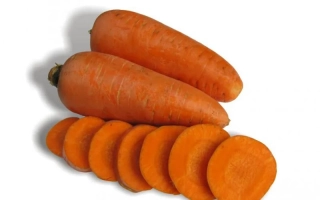
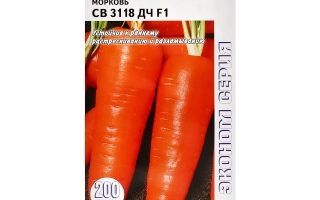
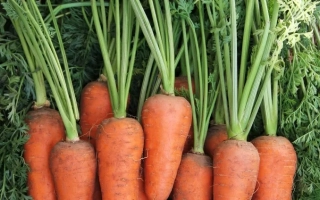
Carrot seeds · similar varieties






See also
Often considered together with this variety
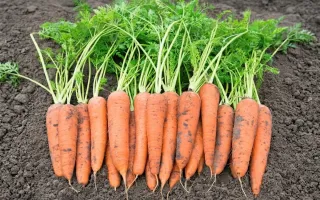

QUEEN OF AUTUMN
Научно-производственная Фирма Российские Семена
035 93 offers
0.12 €per 1000 seeds ≈ 6 ₴






Recently viewed
Products you’ve viewed on this site
Reviews · 0