


SKU #62470
·
32 views
ALENKA
Carrot
GavrishUser rating
0 votes0% positive reviews
No ratings yet — be the first.
Direction
Recycling, Bunch products
Maturation Period
80 - 90 days
Registration year
2017
Store offers · 3 from 3 stores
Prices are updated on loadLoading offers…
Available at: Сади Буковини · Semena · Sezon
Aggregator catalog: prices are collected automatically from store websites, normalized by AI and converted at the current exchange rate. Before ordering, confirm the price and availability on the store's website. This block is not indexed by search engines — the data is loaded after the page opens.
About product

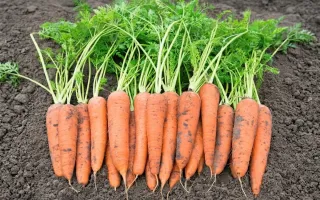
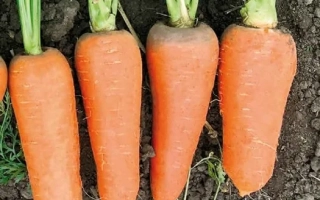
Carrot variety Alenka is an early-maturing root crop that matures in about 85-90 days after sowing. The fruits have an elongated-conical or cylindrical shape with a rounded or blunt tip, about 14-16 cm long and weighing 350-450 grams. The root crops are distinguished by a dense structure, smooth and juicy flesh, which ensures high storability and resistance to cracking, allowing the harvest to be…
Direction
Recycling, Bunch products
Maturation Period
80 - 90 days
Registration year
2017
Description
Carrot variety Alenka is an early-maturing root crop that matures in about 85-90 days after sowing. The fruits have an elongated-conical or cylindrical shape with a rounded or blunt tip, about 14-16 cm long and weighing 350-450 grams. The root crops are distinguished by a dense structure, smooth and juicy flesh, which ensures high storability and resistance to cracking, allowing the harvest to be preserved until spring.
This variety prefers light loam and fertile loamy soils with good illumination. For optimal growth, it is recommended to plant carrots after predecessors such as tomatoes, cucumbers, and early potatoes. The crop is demanding in terms of soil moisture and loessiness, which contributes to the formation of high-quality and tasty root crops.
Carrot Alenka is valued for its sweet taste and high content of vitamins A, C, as well as potassium and iron, which makes it useful for dietary nutrition and children's diets. Due to resistance to pathogenic bacteria, rot, and heading, the variety is widely used for industrial production of children's juices and purees. In cooking, carrots are used both fresh for salads and in hot dishes, and unripe fruits are in demand in restaurants as a replacement for baby carrots.
This variety prefers light loam and fertile loamy soils with good illumination. For optimal growth, it is recommended to plant carrots after predecessors such as tomatoes, cucumbers, and early potatoes. The crop is demanding in terms of soil moisture and loessiness, which contributes to the formation of high-quality and tasty root crops.
Carrot Alenka is valued for its sweet taste and high content of vitamins A, C, as well as potassium and iron, which makes it useful for dietary nutrition and children's diets. Due to resistance to pathogenic bacteria, rot, and heading, the variety is widely used for industrial production of children's juices and purees. In cooking, carrots are used both fresh for salads and in hot dishes, and unripe fruits are in demand in restaurants as a replacement for baby carrots.
Crop & resistance
Crop
Specifications hover over for a hint about the specification
|
Direction
Direction
Existing varieties and types of cabbage are grown for fresh consumption, long-term storage, and technical processing. |
|
|---|---|
|
Maturation Period
Maturation Period
Vegetation period from emergence to technical maturity 30-50 days. |
80 - 90 days |
| Registration year | 2017 |
| Catalog | Catalog → Carrot |
| Manufacturer | Gavrish |
| Legal data |
Show · 3
|
| Country | Russia |
Not yet комментариев. Be the first!
Alternatives
Carrot seeds · similar varieties






See also
Often considered together with this variety

QUEEN OF AUTUMN
Научно-производственная Фирма Российские Семена
035 94 offers
0.12 €per 1000 seeds ≈ 6 ₴








Recently viewed
Products you’ve viewed on this site
Reviews · 0