


SKU #68012
·
52 views
POMEGRANATE MUSCAT
Basil
User rating
0 votes0% positive reviews
No ratings yet — be the first.
Leaf Color
Purple
Scent
Spicy, Percheny
Plant Height
50-60
Germination period, days
10-14
About product

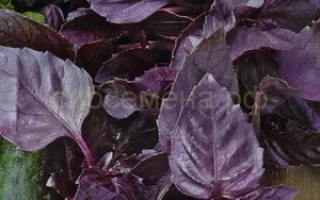
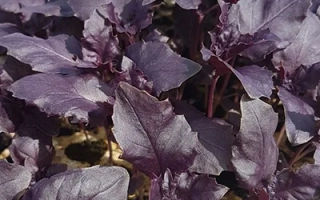
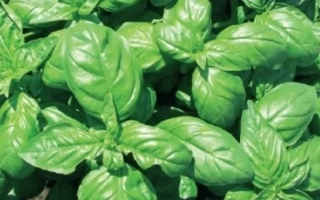
Pomegranate Muscat Basil is an annual herbaceous plant up to 60 cm tall with predominantly purple leaves, possessing a pleasant spicy muscat-pepper flavor and aroma. The plant's leaves are dark purple in color, smooth with rare large teeth along the edge. This variety is distinguished by its compact, upright, and well-leafed bush, which allows it to be grown both in open ground and in pots. Basil…
Leaf Color
Purple
Scent
Spicy, Percheny
Plant Height
50-60
Germination period, days
10-14
Description
Pomegranate Muscat Basil is an annual herbaceous plant up to 60 cm tall with predominantly purple leaves, possessing a pleasant spicy muscat-pepper flavor and aroma. The plant's leaves are dark purple in color, smooth with rare large teeth along the edge. This variety is distinguished by its compact, upright, and well-leafed bush, which allows it to be grown both in open ground and in pots. Basil is rich in essential oils, mineral salts, and vitamins, making it valuable as a spicy seasoning and flavoring for various dishes and sauces, even replacing black pepper.
The plant possesses not only culinary but also medicinal value. Fresh basil leaves stimulate digestion, stimulate appetite, and have a tonic effect. Infusions and decoctions from leaves are used for rinsing the oral cavity for toothache, stomatitis, and angina, while the juice of fresh leaves is effective for middle ear inflammation, eczema, and hard-to-heal wounds. Basil essential oil is also used to soften and tone the skin in cosmetic procedures such as tonics and baths. Moreover, basil is an excellent nectar plant.
Successful cultivation of Pomegranate Muscat requires warmth, light, and sufficient humidity. The plant prefers well-drained loamy and loamy sands soils rich in organic matter. Seeds are sown at a temperature of 20-22°C, seedlings appear in 10-14 days. During germination and until the beginning of flowering, basil requires regular watering, soil loosening, weeding, and feeding. The crop is harvested at the beginning of flowering, cutting leaves from young plants 10-12 cm long, and for drying, plants are cut along the leaf line. Flowering lasts from mid- to late summer, and under room conditions, basil can be grown year-round. The yield of greens is 2.9-3.8 kg per square meter.
The plant possesses not only culinary but also medicinal value. Fresh basil leaves stimulate digestion, stimulate appetite, and have a tonic effect. Infusions and decoctions from leaves are used for rinsing the oral cavity for toothache, stomatitis, and angina, while the juice of fresh leaves is effective for middle ear inflammation, eczema, and hard-to-heal wounds. Basil essential oil is also used to soften and tone the skin in cosmetic procedures such as tonics and baths. Moreover, basil is an excellent nectar plant.
Successful cultivation of Pomegranate Muscat requires warmth, light, and sufficient humidity. The plant prefers well-drained loamy and loamy sands soils rich in organic matter. Seeds are sown at a temperature of 20-22°C, seedlings appear in 10-14 days. During germination and until the beginning of flowering, basil requires regular watering, soil loosening, weeding, and feeding. The crop is harvested at the beginning of flowering, cutting leaves from young plants 10-12 cm long, and for drying, plants are cut along the leaf line. Flowering lasts from mid- to late summer, and under room conditions, basil can be grown year-round. The yield of greens is 2.9-3.8 kg per square meter.
Specifications
| Leaf Color | |
|---|---|
| Scent | |
| Plant Height | 50-60 |
| Germination period, days | 10-14 |
| Lighting Requirement | |
| Usage | |
| Yield, kg/m2 | 2-3 |
| Flavor Characteristics | |
| Registration year | 2015 |
| Catalog | Catalog → Basil |
| Legal data |
Show · 2
|
| Country | Russia |
Store offers
Prices are updated on loadLoading offers…
Aggregator catalog: prices are collected automatically from store websites, normalized by AI and converted at the current exchange rate. Before ordering, confirm the price and availability on the store's website. This block is not indexed by search engines — the data is loaded after the page opens.
Not yet комментариев. Be the first!
Alternatives
Basil seeds · similar varieties




See also
Often considered together with this variety



Recently viewed
Products you’ve viewed on this site
Reviews · 0