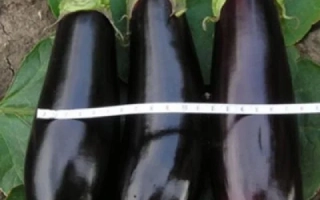
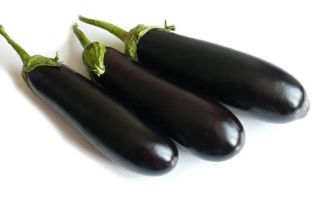
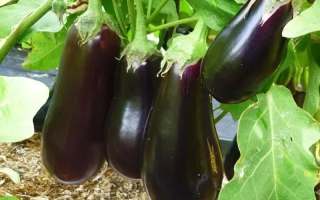
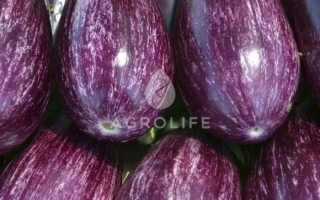
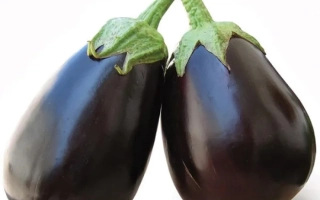
The Zabava eggplant variety is an herbaceous vegetable plant originating from tropical Asia and cultivated in subtropical and tropical regions, including all areas of Ukraine. This variety has a medium maturation period with a vegetative cycle of about 95-105 days, and the fruits weigh between 180 to 250 grams. A distinctive feature of this type of eggplant is its white skin and spicy flavor with mushroom notes, which gives them particular gastronomic value.
For growing the Zabava variety, seedlings should be transplanted in March, followed by planting in the ground in May. Harvesting occurs in July-August. Eggplants of this variety require warmth and adequate moisture, and they grow best on fertile and irrigated soils. Good preceding crops for planting include pumpkin, melon, cucumber, beans, peas, cabbage, and onion, while fennel and garlic are considered undesirable predecessors.
The fruits of the Zabava eggplant are widely used in cooking: they can be boiled, stewed, fried, baked, marinated, dried, or even eaten raw. Eggplants contain proteins, tannins, vitamins, and mineral salts such as iron, potassium, sodium, phosphorus, copper, cobalt, and manganese. They possess medicinal properties, helping to stimulate blood formation, reduce cholesterol levels, and benefit those with diabetes and kidney diseases.