
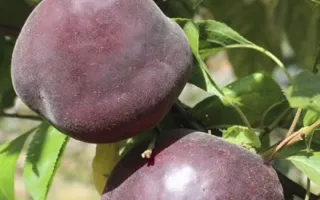


SKU #4051
·
398 views
Mountain Abakan
Apricot
User rating
0 votes0% positive reviews
No ratings yet — be the first.
Assignment
Universal
Flavor
Sour-sweet
Fetal Size
3-4
Fruit Color
Yellow-Green
Store offers · 2 from 2 stores
Prices are updated on loadLoading offers…
Available at: Азбука сада · Белоостровский питомник · Царь Сад · Agromir
Aggregator catalog: prices are collected automatically from store websites, normalized by AI and converted at the current exchange rate. Before ordering, confirm the price and availability on the store's website. This block is not indexed by search engines — the data is loaded after the page opens.
About product

Obtained in a suburban garden in the Republic of Khakasia in 1979 from a mixture of second-generation seedlings of Khabarovsk elite forms. Author I.L. Baykalov. Included in the State Register in 2002. Recommended for the East Siberian region. Medium-sized trees with a non-dense crown. Short winter dormancy period. During prolonged winter thaws, fruit buds freeze, but in winters without thaws the…
Assignment
Universal
Flavor
Sour-sweet
Fetal Size
3-4
Fruit Color
Yellow-Green
Description
Obtained in a suburban garden in the Republic of Khakasia in 1979 from a mixture of second-generation seedlings of Khabarovsk elite forms. Author I.L. Baykalov. Included in the State Register in 2002. Recommended for the East Siberian region.
Medium-sized trees with a non-dense crown. Short winter dormancy period. During prolonged winter thaws, fruit buds freeze, but in winters without thaws they remain healthy. Leaves are medium-sized, egg-shaped, dark green, with bluntly serrated edges. Central vein and petiole are colored red. Flowers are large, white with a pinkish tint. Self-fertility is not high; good pollinators include Baykalov's Siberian, East Siberian, and Kantegirskiy. Flowering usually begins in mid-May.
Fruits are large, 23-30 g; on young plants, 35-40 g, slightly compressed on the sides, with a noticeable seam, yellow-green in color, with a blurred blush. In hot summers, the intense blush covers the entire slightly downy fruit. Flesh is dense, orange, medium juicy, pleasantly sour-sweet. Fruits contain 15.1% soluble dry matter, 9.1% sugars, 7.5 mg/100g vitamin C, 0.55% pectin.
Average yield is 15-18 kg per tree, maximum 41 kg. In areas with little snow and elevated terrain in East Siberia, plantings show good annual yields. High cold hardiness. The mother plant at 35 years old remains growing in the steppe zone. In gardens with a small snow cover, root neck heaving is not observed, but in the Shushenskoy GSC with deep snow winters, plants die.
Advantages of the variety: large, tasty fruits.
Disadvantages: susceptible to cracking.
Video · 2 videos
Suggest a video →Crop & resistance
Crop
Specifications hover over for a hint about the specification
| Assignment | |
|---|---|
| Flavor | |
| Fetal Size | 3-4 |
|
Fruit Color
Fruit Color
The fruit color of tomato varieties is influenced by the combination of skin and flesh color. Some varieties have transparent skin, others — yellow. When combined differently, the fruits can acquire quite diverse colors. The fruit color is affected by pigments (lycopene) and thei... |
|
| Tree Height | 2-4 |
|
Yield
Yield
Overall bulb harvest per unit area. Depends on both onion variety characteristics and agronomic practices, fertilizers, and irrigation. Under optimal growing conditions, an onion yield of 100 tons per hectare and above is not considered record-breaking. |
15-41 |
| Frost Resistance | |
| Self-fertility | |
| Zoning | |
| Features | |
| Catalog | Catalog → Apricot |
Not yet комментариев. Be the first!
Alternatives
Apricot saplings · similar varieties


See also
Often considered together with this variety




Recently viewed
Products you’ve viewed on this site
Reviews · 0