


SKU #4050
·
366 views
Apricot Vostochnyy Sayan
Apricot
Prices in stores
from4.35 €per seedling
pack from 4.35 € per 1 pcs
3 offers from 3 stores
Purpose
Universal
Ripening Period
10-10
Flavor
Sweet
Fruit Size
2.5-3
Your mark
0 votes
0% positive ratings
Store offers · 3 from 3 stores
3 offers in 3 stores — from 4.35 € per seedling.
Available at: Арбор · Tomato Perez · Urozhaynyj Ogorod
Prices are collected automatically from store websites and converted at the current exchange rate. Check the price and availability on the store website before ordering.
Description
Selected in 1991 among Chamyalsky plants of the third generation of Far Eastern varieties. Authors: I.L. Baykalov (Republic of Khakassia) and M.N. Matyunin, NIISS named after M.A. Lisovenko. Undergoing state testing since 2001. Recommended for testing in snow-poor zones of Eastern Siberia.
Trees are cold-resistant, reaching 3 m in height, with a crown diameter of 3.5-4 m and medium density. Flower buds are blunt-tipped, while growth buds are pointed. The period of winter dormancy is somewhat longer; during brief winter thaws, the differentiation process does not complete, and flower buds often emerge from winter undamaged. Leaves are broadly rounded in shape, medium-sized, with unevenly serrated edges, slightly convex base, and small apex; dark green in color. Central vein and petiole are red. Flowers are large with a pinkish hue. Self-fertility is not high. Good pollinators include Severnoe Sianie, Siberjak Baykalova, Kantegirsky, Kirovets. Flowering begins on May 11-13.
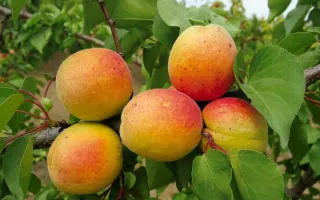
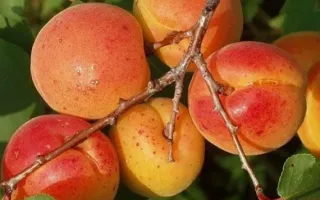
Fruits are large (25-30 g), round, with a small seam and reddish blush on most of the slightly pubescent fruit surface. Flesh is dense, juicy, and tasty. Fruits contain 12.7% soluble dry matter, 7.5% sugars, 8.4 mg/100g vitamin C, 0.56% pectin.
Ripen in the first decade of August, suitable for fresh consumption and processing; average yield is 11-16 kg. Shows good annual yield. Cold-resistant. In deep snow areas, the root collar may be damaged, making trees susceptible to drying diseases. Recommended for snow-poor zones of Eastern Siberia.
Advantages of the variety: large, tasty fruits.
Disadvantages: not resistant to sunscald.
Crop & resistance
Crop
Specifications
| Purpose | |
|---|---|
| Ripening Period | 10-10 |
| Flavor | |
| Fruit Size | 2.5-3 |
| Tree Height | 3 |
| Yield | 11-16 |
| Frost Resistance | |
| Self-fertility | |
| Features | |
| Catalog | Catalog → Apricot |
No reviews yet. Be the first to share your experience.
Alternatives
Apricot saplings · similar varieties




See also
Often considered together with this variety






Recently viewed
Products you’ve viewed on this site
Reviews