


SKU #3530
·
444 views
Slava Primorya
Apple
User rating
0 votes0% positive reviews
No ratings yet — be the first.
Type of Sort
Summer apple variety
About product

Late summer or early autumn variety, selection of the Primorsky Fruit and Berry Experimental Station — spontaneous seedling of hybrid No. 6. Approved for cultivation in the Primorsky Krai.
Tree strongly growing, with an open, dense crown, numerous branches with large buds, where fruiting is concentrated.
Medium-length shoots, thick, greenish-brown, one-year growths dark brown, vigorous. Lea…
Type of Sort
Summer apple variety
Description
Late summer or early autumn variety, selection of the Primorsky Fruit and Berry Experimental Station — spontaneous seedling of hybrid No. 6. Approved for cultivation in the Primorsky Krai.
Tree strongly growing, with an open, dense crown, numerous branches with large buds, where fruiting is concentrated.
Medium-length shoots, thick, greenish-brown, one-year growths dark brown, vigorous. Leaves large, dark green, with white hairs underneath.
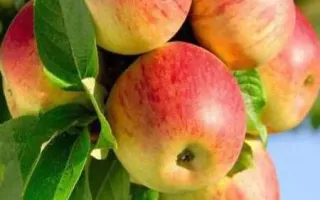
Fruits medium-sized (up to 150 g), one-sided, slightly flattened, round-conical. Surface smooth with slight bloom. Main color greenish-yellow with intense dark-red blush on most of the fruit. Peduncle medium length and thickness.
Flesh juicy, slightly acidic-sweet with mild aroma. Flavor dessert-like. Chemical composition of fruits: total sugars — 13.5%, titratable acids — 0.82%, ascorbic acid — 18.8 mg/100g, P-active substances — 170 mg/100g, pectin substances — 14.3% dry weight, tannins — up to 65%.
Ripens early autumn, capable of short-term storage.
Fruit production begins in the second or third year. Yield 105 centners/ha, maximum 250 centners/ha. Winter hardiness of trees is high. Variety is relatively resistant to fungal diseases, but susceptible to bacterial canker.
Advantages of the variety: ecological resilience, high annual yields, excellent commercial and consumer qualities of fruits.
Disadvantages of the variety: uneven fruit ripening, fruit drop, short storage life, and susceptibility to bacterial canker.
Video · 1 video
Suggest a video →Crop & resistance
Crop
Specifications
| Type of Sort | |
|---|---|
| Catalog | Catalog → Apple |
Store offers
Prices are updated on loadLoading offers…
Aggregator catalog: prices are collected automatically from store websites, normalized by AI and converted at the current exchange rate. Before ordering, confirm the price and availability on the store's website. This block is not indexed by search engines — the data is loaded after the page opens.
Not yet комментариев. Be the first!
Alternatives
Apple saplings · similar varieties




See also
Often considered together with this variety


Recently viewed
Products you’ve viewed on this site
Reviews · 0