


SKU #60205
·
64 views
SIABRYNA
Apple
User rating
0 votes0% positive reviews
No ratings yet — be the first.
Type of Sort
Winter Apple Variety
Tree; Growth Power
Medium-height
Tree; Canopy Shape
Round Canopy
Fruit; Fruit Shape
Round
Store offers · 1 from 1 stores
Prices are updated on loadLoading offers…
Available at: Agromir
Aggregator catalog: prices are collected automatically from store websites, normalized by AI and converted at the current exchange rate. Before ordering, confirm the price and availability on the store's website. This block is not indexed by search engines — the data is loaded after the page opens.
About product

The Siabryna apple tree is a medium-sized fruit tree with a round, compact crown of medium density. This winter variety was created at the Institute of Fruit Growing of the National Academy of Sciences of Belarus in 1983 and is distinguished by its high winter hardiness and resistance to scab due to the presence of the Vf (Rvi6) immunity gene. The tree begins bearing fruit as early as the second y…
Type of Sort
Winter Apple Variety
Tree; Growth Power
Medium-height
Tree; Canopy Shape
Round Canopy
Fruit; Fruit Shape
Round
Description
The Siabryna apple tree is a medium-sized fruit tree with a round, compact crown of medium density. This winter variety was created at the Institute of Fruit Growing of the National Academy of Sciences of Belarus in 1983 and is distinguished by its high winter hardiness and resistance to scab due to the presence of the Vf (Rvi6) immunity gene. The tree begins bearing fruit as early as the second year after planting, making it early-ripening and attractive to gardeners. The branches are straight and compactly arranged, while the trunk bark has a brownish-green hue with peeling.
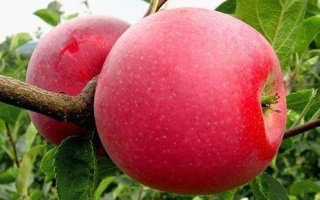
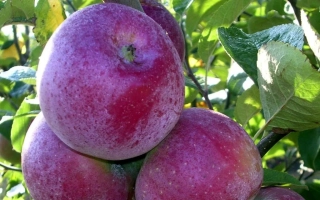
Siabryna fruits have an average weight of 140 to 160 grams, a round shape, and an attractive crimson blush on a light-yellow skin. The flesh is white-greenish, of medium density, very juicy, and fine-grained, with a pleasant sweet-sour taste and a mild aroma. Apples ripen in the second half of September and can be stored fresh from October to February, allowing them to be used both for direct consumption and processing. The tasting score of the fruits is 4.5 points, confirming their high quality.
The variety is characterized by high yield, which depends on the rootstock and can range from 16 to 42 kg per tree; with dense planting, yield can exceed 30 tons per hectare. The apple tree is self-fertile but bears fruit better in the presence of other pollinator varieties. The plant is resistant to severe frosts and heat, as well as immune to phylosticosis and most types of scab. Regular pruning and thinning of branches, especially lower ones, are recommended to maintain health and crown shape, avoiding overcrowding and ensuring good fruit illumination. The more sunlight the tree receives, the sweeter and more aromatic the apples become.
Siabryna fruits have an average weight of 140 to 160 grams, a round shape, and an attractive crimson blush on a light-yellow skin. The flesh is white-greenish, of medium density, very juicy, and fine-grained, with a pleasant sweet-sour taste and a mild aroma. Apples ripen in the second half of September and can be stored fresh from October to February, allowing them to be used both for direct consumption and processing. The tasting score of the fruits is 4.5 points, confirming their high quality.
The variety is characterized by high yield, which depends on the rootstock and can range from 16 to 42 kg per tree; with dense planting, yield can exceed 30 tons per hectare. The apple tree is self-fertile but bears fruit better in the presence of other pollinator varieties. The plant is resistant to severe frosts and heat, as well as immune to phylosticosis and most types of scab. Regular pruning and thinning of branches, especially lower ones, are recommended to maintain health and crown shape, avoiding overcrowding and ensuring good fruit illumination. The more sunlight the tree receives, the sweeter and more aromatic the apples become.
Video · 4 videos
Suggest a video →Crop & resistance
Disease resistance
Specifications
| Type of Sort | |
|---|---|
| Tree; Growth Power | |
| Tree; Canopy Shape | |
| Fruit; Fruit Shape | |
| Fruit; Fruit mass | 150-200 grams |
| Fruit; Blush (Blush Color) | |
| Fruit; Taste qualities | 4.5 stars |
| Fruit; Lying | 3-4 months |
| Cold Resistance | |
| Registration year | 2013 |
| Catalog | Catalog → Apple |
| Legal data |
Show · 1
|
| Country | Russia |
Not yet комментариев. Be the first!
Alternatives
Apple saplings · similar varieties




See also
Often considered together with this variety




Recently viewed
Products you’ve viewed on this site
Reviews · 0