


SKU #71696
·
65 views
Valeria
Anemone
User rating
0 votes0% positive reviews
No ratings yet — be the first.
Plant Type
Perennial
Flower Color
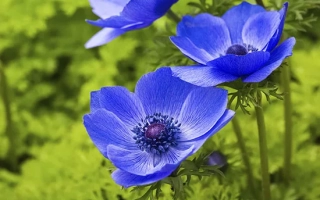
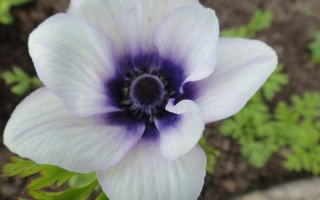
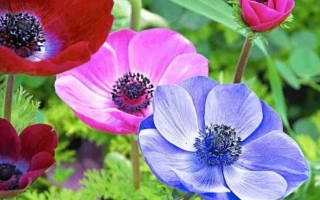
White, Blue, Red, Two-tone
Registration year
2022
About product

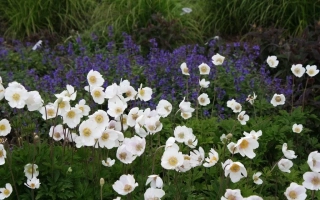
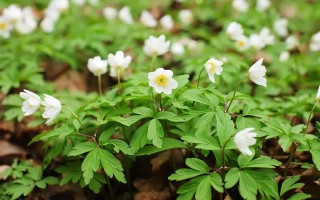
Wood anemone, also known as woodland anemone (Anemone nemorosa), is an early-flowering plant with long rhizomes and simple white flowers. In nature, it is widespread in central and southern Europe, where its creeping rhizomes form large colonies spreading over significant areas. Thin vertical stems are covered with lacy leaves, palmate and divided into 3-5 lanceolate leaflets with lobed or toothed…
Plant Type
Perennial
Flower Color
White, Blue, Red, Two-tone
Registration year
2022
Description
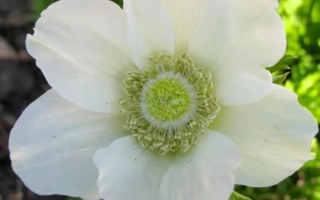
Wood anemone, also known as woodland anemone (Anemone nemorosa), is an early-flowering plant with long rhizomes and simple white flowers. In nature, it is widespread in central and southern Europe, where its creeping rhizomes form large colonies spreading over significant areas. Thin vertical stems are covered with lacy leaves, palmate and divided into 3-5 lanceolate leaflets with lobed or toothed edges. Flowers appear in March-May, before leaves fully develop, and have a bell shape that transitions to star-shaped when fully open.
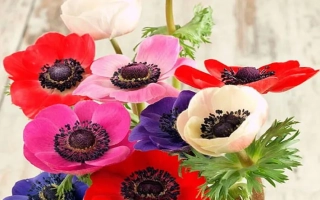
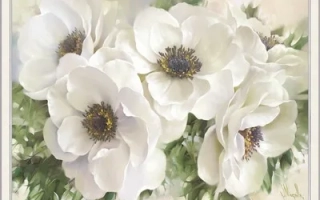
In decorative use, anemone is valued for its delicacy and fine structure. It can serve as a single element of a bouquet or as the basis of a composition, harmoniously combining with other spring flowers. Color diversity of anemones includes white, blue, red, burgundy shades and bicolor options, allowing to create both bright multi-color bouquets and elegant monochromatic compositions in clear round vases.
The popularity of anemone grows due to its elegant appearance and ability to evoke positive emotions. It is especially popular among young and romantic girls who appreciate the lightness and refinement of this flower. Due to its versatility and aesthetic appeal, anemone becomes an indispensable element of spring bouquets and decorative compositions.
In decorative use, anemone is valued for its delicacy and fine structure. It can serve as a single element of a bouquet or as the basis of a composition, harmoniously combining with other spring flowers. Color diversity of anemones includes white, blue, red, burgundy shades and bicolor options, allowing to create both bright multi-color bouquets and elegant monochromatic compositions in clear round vases.
The popularity of anemone grows due to its elegant appearance and ability to evoke positive emotions. It is especially popular among young and romantic girls who appreciate the lightness and refinement of this flower. Due to its versatility and aesthetic appeal, anemone becomes an indispensable element of spring bouquets and decorative compositions.
Specifications
| Plant Type | |
|---|---|
| Flower Color | |
| Registration year | 2022 |
| Catalog | Catalog → Anemone |
| Legal data |
Show · 2
|
| Country | Georgia |
Store offers
Prices are updated on loadLoading offers…
Available at: Сади Буковини
Aggregator catalog: prices are collected automatically from store websites, normalized by AI and converted at the current exchange rate. Before ordering, confirm the price and availability on the store's website. This block is not indexed by search engines — the data is loaded after the page opens.
Not yet комментариев. Be the first!




See also
Often considered together with this variety




Recently viewed
Products you’ve viewed on this site
Reviews · 0