


SKU #71706
·
58 views
FOREST RIVER
Anemone
User rating
0 votes0% positive reviews
No ratings yet — be the first.
Plant Type
Perennial
Blooming Period
30-45
Flower Color
White
Flower diameter, cm
5-7
About product

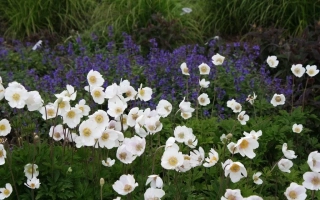
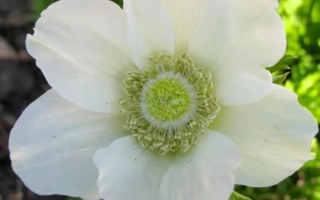
An elegant white-flowered perennial anemone, perfect for container gardening with a blooming period of up to 45 days.
Plant Type
Perennial
Blooming Period
30-45
Flower Color
White
Flower diameter, cm
5-7
Description
Caucasian Selection Heritage
The 'Lesnoy Ruchey' (Forest Stream) anemone is a result of research conducted by the FSBUN Federal Research Center «Subtropical Scientific Center of the RAS». Developed in Georgia, this variety exhibits high adaptability to mild climates and resilience in subtropical zones. In professional floriculture, it is highly regarded for its reliability and consistency, traits that define its status as a premium perennial for controlled environments.
Key Characteristics and Aesthetics
- Flowering Cycle: The active blooming period lasts 30–45 days, making it an ideal choice for sustained aesthetic impact.
- Visual Profile: The pure white flowers, with a diameter of 5–7 cm, offer a clean, elegant look that integrates well into various garden styles.
- Cultivation: A planting depth of 10 cm is standard, ensuring the rhizome successfully establishes before the vegetative phase.
The reputation of 'Lesnoy Ruchey' is built on its versatility. While biologically suited for open soil, it has carved a niche in container gardening. Its ability to thrive in pots makes it a staple for patio, terrace, and veranda decor where a long-lasting, crisp white floral effect is desired. As a product of modern selection, this anemone is noted for its structural integrity—the plant maintains its form throughout the flowering period without collapsing, providing consistent ornamental value until late in the season.
Specifications
| Plant Type | |
|---|---|
| Blooming Period | 30-45 |
| Flower Color | |
| Flower diameter, cm | 5-7 |
| Planting Depth (cm) | 10 |
| Usage | |
| Registration year | 2017 |
| Catalog | Catalog → Anemone |
| Legal data |
Show · 2
|
| Country | Georgia |
Store offers
Prices are updated on loadLoading offers…
Available at: Green Edem
Aggregator catalog: prices are collected automatically from store websites, normalized by AI and converted at the current exchange rate. Before ordering, confirm the price and availability on the store's website. This block is not indexed by search engines — the data is loaded after the page opens.
Not yet комментариев. Be the first!






See also
Often considered together with this variety







Recently viewed
Products you’ve viewed on this site
Reviews · 0