

Reference · Diseases
Viral diseases
Viral plant diseases are conditions caused by phytoviruses, which are submicroscopic infectious agents consisting of genetic material (DNA or RNA) enclosed in a protein coat. Being obligate intracellular parasites, they must enter a host cell to replicate, where they disrupt normal metabolic pathways, leading to systemic physiological stress in the plant organism.
2 061
items
What the section contains
 Capulavirus
Capulavirus
Capulavirus
 Cardamine mosaic virus
Betacarmovirus cardaminis
Cardamine mosaic virus
Betacarmovirus cardaminis
 Cardamom bushy dwarf virus
Babuvirus cardamomi
Cardamom mosaic virus
Macluravirus cardamomi
Cardamom bushy dwarf virus
Babuvirus cardamomi
Cardamom mosaic virus
Macluravirus cardamomi
 Carlavirus
Carlavirus cornutum
Carlavirus cornutum
Carlavirus sigmadaphnis
Carlavirus sigmadaphnis
Carmovirus
Carmovirus
Carlavirus
Carlavirus
Carlavirus cornutum
Carlavirus cornutum
Carlavirus sigmadaphnis
Carlavirus sigmadaphnis
Carmovirus
Carmovirus
 Carnation latent virus
Carlavirus latensdianthi
Carnation latent virus
Carlavirus latensdianthi
 Carnation necrosis
Closterovirus necrodianthi
Carnation necrosis
Closterovirus necrodianthi
 Carnation ringspot
Dianthovirus dianthi
Carnation ringspot
Dianthovirus dianthi
 Carnation ringspot virus
Alphacarmovirus dianthi
Carnation ringspot virus
Alphacarmovirus dianthi
 Carnation ringspot virus
Tombusvirus dianthi
Carnation ringspot virus
Tombusvirus dianthi
 Carnation vein mottle virus
Potyvirus dianthi
Carnation vein mottle virus
Potyvirus dianthi
 Carrot red leaf virus
Polerovirus cldv
Carrot red leaf virus
Polerovirus cldv
 Carrot ring spot virus
Nepovirus cari
Carrot ring spot virus
Nepovirus cari
 Cashew bunchy top
 agent
Cashew bunchy top
Cashew bunchy top agent
 Cassava brown leaf spot
Ipomovirus brunusmanihotis
Cassava brown leaf spot
Ipomovirus brunusmanihotis
 Cassava Cameroon mosaic
Begomovirus manihotiscameroonense
Cassava Cameroon mosaic
Begomovirus manihotiscameroonense
 Cassava frogskin disease
Phytoreolike virus
Cassava frogskin disease
Phytoreolike virus
 Cassava mosaic
Potexvirus marmormanihotis
Cassava mosaic
Potexvirus marmormanihotis
 Cassava mosaic
Ipomovirus manihotis
Cassava mosaic
Ipomovirus manihotis
 Cassava mosaic begomovirus
Begomovirus manihotisindianense
Cassava mosaic disease
Cassava virus
Cassava mosaic begomovirus
Begomovirus manihotisindianense
Cassava mosaic disease
Cassava virus
 Cassava mosaic virus
Nepovirus manihotis
Cassava mosaic Zanzibar virus
Begomovirus manihotiszanzibarense
Cassava mosaic virus
Nepovirus manihotis
Cassava mosaic Zanzibar virus
Begomovirus manihotiszanzibarense
 Cassava potexvirus
Potexvirus ecsmanihotis
Cassava potexvirus
Potexvirus ecsmanihotis
 Cassava vein mosaic virus
Cavemovirus venamanihotis
Cassava vein mosaic virus
Cavemovirus venamanihotis
 Cassava witches' broom
Cassava witches
Catharanthus begomovirus
Begomovirus catharticae
Catharanthus begomovirus
Begomovirus catharanthi
Catharanthus mosaic virus
Potyvirus catharantessellati
Caucasian plum dwarf
Prunevirus caucasicum
Caudoviricetes
Caudoviricetes
Cassava witches' broom
Cassava witches
Catharanthus begomovirus
Begomovirus catharticae
Catharanthus begomovirus
Begomovirus catharanthi
Catharanthus mosaic virus
Potyvirus catharantessellati
Caucasian plum dwarf
Prunevirus caucasicum
Caudoviricetes
Caudoviricetes
 Cauliflower mosaic
Caulimovirus tessellobrassicae
Cauliflower mosaic
Caulimovirus tessellobrassicae
 Caulimovirus
Caulimovirus
Caulimovirus
 Caulimoviruses
Caulimoviridae
Cavemovirus
Cavemovirus
Celavirus
Celavirus
Caulimoviruses
Caulimoviridae
Cavemovirus
Cavemovirus
Celavirus
Celavirus
 Celery mosaic
Potyvirus apiumtessellati
Celery mosaic
Potyvirus apiumtessellati
 Celery mosaic virus
Apium spp.
Celery mosaic virus
Apium spp.
 Celery mosaic virus
Potyvirus apii
Celery mosaic virus
Potyvirus apii
 Celery yellow
 spot virus
Centrosema mosaic
Begomovirus centrosemae
Cercis ringspot virus
Emaravirus cercidis
Celery yellow
Celery yellow spot virus
Centrosema mosaic
Begomovirus centrosemae
Cercis ringspot virus
Emaravirus cercidis
 Cercospora leaf spot of geranium
Filaree red leaf virus
Cereal furovirus
Furovirus cerealis
Chamaescilla potyvirus
Potyvirus chamaescillae
Chayote mosaic virus
Begomovirus chayotis
Chayote mosaic virus
Tymovirus chayotis
Cercospora leaf spot of geranium
Filaree red leaf virus
Cereal furovirus
Furovirus cerealis
Chamaescilla potyvirus
Potyvirus chamaescillae
Chayote mosaic virus
Begomovirus chayotis
Chayote mosaic virus
Tymovirus chayotis
 Chelidonium vein yellowing virus
Crinivirus chelidonii
Chenopodium begomovirus
Begomovirus chenopodii
Chelidonium vein yellowing virus
Crinivirus chelidonii
Chenopodium begomovirus
Begomovirus chenopodii
 Cheravirus
Cherry alphapartitivirus
Alphapartitivirus cerasi
Cherry chrysovirus
Alphachrysovirus cerasi
Cheravirus
Cheravirus
Cherry alphapartitivirus
Alphapartitivirus cerasi
Cherry chrysovirus
Alphachrysovirus cerasi
 Cherry leaf curl
Epirus cherry virus
Cherry leaf curl
Epirus cherry virus
 Cherry rasp leaf
Cheravirus avii
Cherry rasp leaf
Cheravirus avii
 Cherry rosette
 virus
Chestnut mosaic
Badnavirus tessellocastaneae
Cherry rosette
Cherry rosette virus
Chestnut mosaic
Badnavirus tessellocastaneae
 Chickpea chlorotic dwarf virus
Mastrevirus arietini
Chickpea chlorotic dwarf virus
Mastrevirus arietini
Marketplace
Products in this section · 12
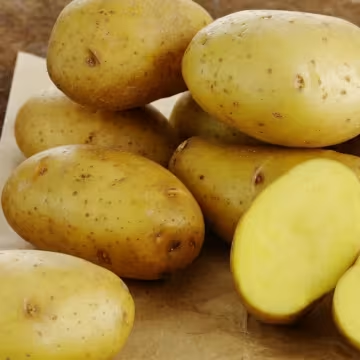

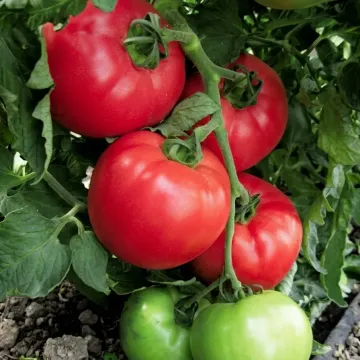

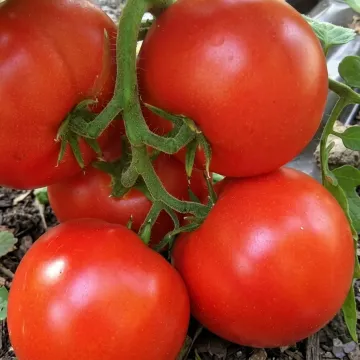
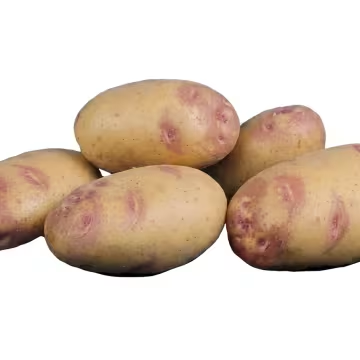
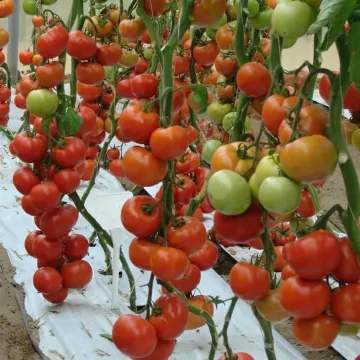
Viral diseases
These diseases affect a diverse range of botanical families, posing significant threats to cereals, vegetables, legumes, and perennial fruit crops. Major economically significant infections include potato mosaic virus, cucumber mosaic virus, and tomato spotted wilt virus, which can compromise agricultural productivity globally across various climate zones.
The primary clinical manifestations of viral infections include chlorosis, leaf mosaic patterns, vein clearing, and necrotic spots. Affected plants often exhibit morphological abnormalities such as leaf curling, stunting, reduced fruit set, and abnormal seed development. These systemic signs are indicative of viral spread through the phloem, affecting the overall vigor and growth of the plant.
Viral transmission is highly efficient through biological vectors—most notably insects like aphids, whiteflies, thrips, and mites—that acquire the virus from infected tissues and transmit it to healthy ones. Additionally, viruses spread mechanically through farm machinery, pruning tools, and grafting, or via infected propagation materials like tubers, cuttings, or seeds, which harbor the pathogen in a dormant state.
The damage caused by plant viruses is often irreparable since there are no curative chemical treatments; therefore, disease control relies entirely on preventive measures. Key strategies for sustainable management include:
- sourcing certified, virus-free seeds and planting stock;
- implementing rigorous vector control programs to manage insect populations;
- removing and destroying weed hosts that serve as virus reservoirs;
- adhering to strict sanitation protocols for pruning and cultivation equipment;
- breeding and cultivating genetically resistant varieties of major crops.