
Carnation ringspot virus
Alphacarmovirus dianthi
Description
Symptoms
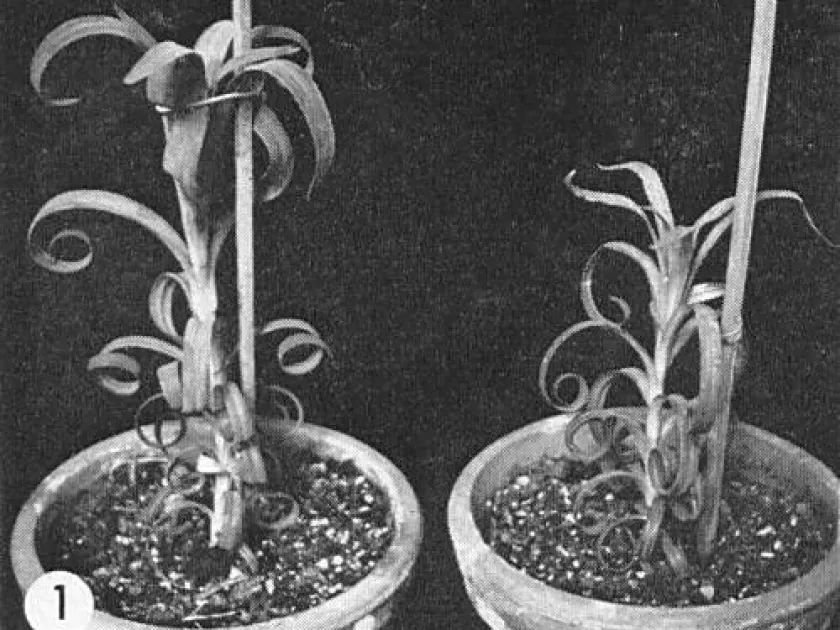
The primary symptoms include chlorotic rings, spots, and streaks on the leaves. These patterns can become quite pronounced as the infection progresses.
Infected plants often exhibit stunted growth and significant deformation of the stems and leaves, leading to a general loss of vigor.
Flowers are significantly affected; they often show color breaking, spots, and petal deformity, which drastically reduces their commercial value.
In some cases, the infection remains latent, where the plant carries the virus without showing obvious symptoms, acting as a silent source of infection.
- Chlorotic rings on foliage.
- Leaf deformation and stunting.
- Flower color breaking and spotting.
- Overall growth retardation.
- Reduced commercial aesthetic quality.
Pathogen
The causative agent of the disease is the Carnation ringspot virus (CRSV), classified within the genus Alphacarmovirus. It is a small, spherical virus containing single-stranded RNA.
This pathogen is highly stable in the environment. Virus particles can remain viable for extended periods in soil, plant debris, and on various surfaces.
It is classified as a systemic viral infection, affecting the entire plant and significantly disrupting metabolic processes within the tissues.
Primary sources of infection include contaminated mother plants and propagation material, such as cuttings, which serve as the main vectors for disease spread.
Transmission occurs through mechanical contact, including the use of contaminated tools, irrigation water, and root contact in dense plantings.
Conditions for development
High humidity levels in greenhouse environments facilitate the rapid transmission and spread of the virus among plants.
Mechanical injury during routine maintenance, such as trimming, harvesting, or propagating, provides direct entry points for the virus.
Dense planting configurations increase the likelihood of virus transmission through root-to-root contact, especially in moist soil conditions.
Recirculating irrigation systems can spread the virus throughout the crop if the water is not properly filtered or disinfected.
Poor sanitation practices, such as failing to disinfect equipment, are the most significant contributors to the uncontrolled spread of the pathogen.
Why it matters
The primary harm is the dramatic reduction in the quality and marketability of the flower crop, leading to severe economic losses.
Viral infection stunts growth, reducing the total yield of flowers per plant and making the crop unsuitable for high-quality production.
The virus compromises the plant's overall resistance, making it more susceptible to opportunistic secondary fungal and bacterial diseases.
Infected mother plants produce inferior cuttings, ensuring that the virus is carried over into subsequent generations of the crop.
There is no known cure for viral infections in plants, often forcing growers to destroy entire batches of infected inventory.
Protection
Rigorous phytosanitary measures, including the use of certified virus-free starting material, are essential for successful production.
Strict disinfection protocols for all cutting tools using alcohol or professional disinfectants between each plant are mandatory to limit spread.
Immediate identification and roguing (removal) of all plants showing symptoms, including their roots, is vital for containment.
Weed management around the growing area is necessary to eliminate alternative hosts that may harbor the virus.
The use of meristem tip culture in specialized laboratories remains the most effective way to produce clean, virus-free foundation stock.
Discussion
No discussions yet — be the first.