
Chelidonium vein yellowing virus
Crinivirus chelidonii
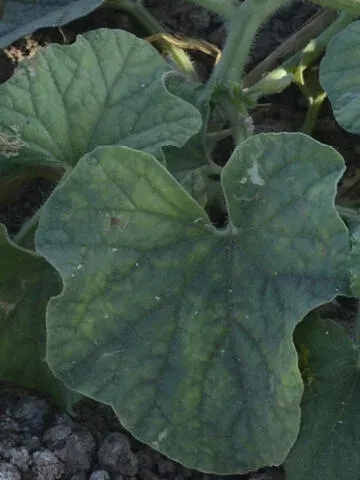
Description
Symptoms
The primary symptom of this disease is a distinct yellowing of the leaf tissue occurring along the veins. As the virus progresses, this chlorosis spreads across the entire leaf surface, severely inhibiting the plant's ability to undergo photosynthesis.
Infected plants exhibit noticeable stunting and reduced vegetative growth. The leaves may become deformed, wrinkled, or curled, indicating that the virus has interfered with the plant's internal cellular development and nutrient transport systems.
As the infection becomes systemic, the plant appears weakened, loses its vigor, and may undergo premature senescence. This decline is particularly visible in the overall architectural appearance of the Chelidonium specimens.
On early stages, symptoms might be subtle, presenting as mild mottling or light green patches near the veins. Accurate diagnosis at this phase is crucial to prevent the wider spread of the virus within a plantation.
Advanced stages often feature brittle leaf tissue and overall yellowing of the foliage, making the plant look significantly stressed. The presence of the virus can be confirmed through laboratory testing, such as PCR or ELISA.
Pathogen
The disease is caused by a virus belonging to the genus Crinivirus. This virus is a specialized pathogen that specifically targets the phloem tissue of the host plant, disrupting the movement of sugars and nutrients.
The virus relies on insect vectors, primarily whiteflies, for transmission between plants. The whitefly ingests the virus while feeding on an infected plant and subsequently inoculates healthy plants during its next feeding cycle.
The viral genome is well-adapted for survival within both the insect vector and the plant host. Without the vector, the virus cannot easily spread between individual plants in the field or greenhouse.
The virus particles congregate in the phloem sieve elements. This localization explains why the characteristic yellowing symptoms are predominantly associated with the veins, where vascular activity is at its peak.
Pathogen persistence is maintained through overwintering in perennial weeds or in the bodies of surviving insect vectors. This cyclical nature ensures the virus remains present in the environment from one season to the next.
Conditions for development
Warm and humid conditions provide the perfect environment for the proliferation of whitefly populations, which in turn accelerates the spread of the virus. High temperatures shorten the insect's life cycle.
The presence of nearby weed reservoirs is a critical factor in the disease epidemiology. Many wild plants harbor the virus without showing severe symptoms, acting as an unnoticed source of primary infection.
Greenhouse environments or dense planting layouts significantly increase the risk of rapid virus dissemination. Poor air circulation and high humidity encourage insects to move freely between plants.
The absence of natural predators of the whitefly, such as certain parasitic wasps, allows the pest population to explode, leading to higher rates of viral transmission across the field.
Early spring arrival with warm weather can extend the season for insect activity, providing more time for the virus to become established in the crop or wild plant populations.
Why it matters
The disease poses a significant risk to the quality and yield of Chelidonium plants, particularly if they are grown for pharmaceutical or medicinal purposes where alkaloid content is vital.
Systemic infection renders the plants more susceptible to secondary environmental stresses, including opportunistic fungal pathogens and drought, further exacerbating the damage caused by the virus.
The reduction in photosynthetic capacity leads to a weakened root system and stunted overall plant development, which can result in long-term degradation of the plant population.
Economic damage is twofold: direct losses in biomass and the added cost of implementing stringent plant protection and vector control programs to mitigate the disease.
In addition, the presence of the virus can lead to quarantine-like restrictions on the movement of plant material from infected areas to healthy areas to prevent the spread of the pathogen.
Protection
Effective management requires a multi-pronged approach focused primarily on controlling the insect vectors. Regular monitoring and the application of appropriate insecticides are essential during peak insect seasons.
Strict sanitation practices, such as the removal of weeds around the growing area, are vital to eliminating the host reservoirs that sustain the virus during the off-season.
Cultural methods, such as maintaining proper spacing between plants and ensuring optimal ventilation, can significantly reduce the attractiveness of the environment to whiteflies.
Integrated Pest Management (IPM) should be adopted, which includes the release of biological control agents (predators) to keep the insect populations below the threshold required for efficient virus spread.
Early identification and culling of symptomatic plants are mandatory to stop the cycle of infection. All removed plant material should be safely destroyed away from the main growing area.
Discussion
No discussions yet — be the first.