
Lentil
Lens culinaris Medik.
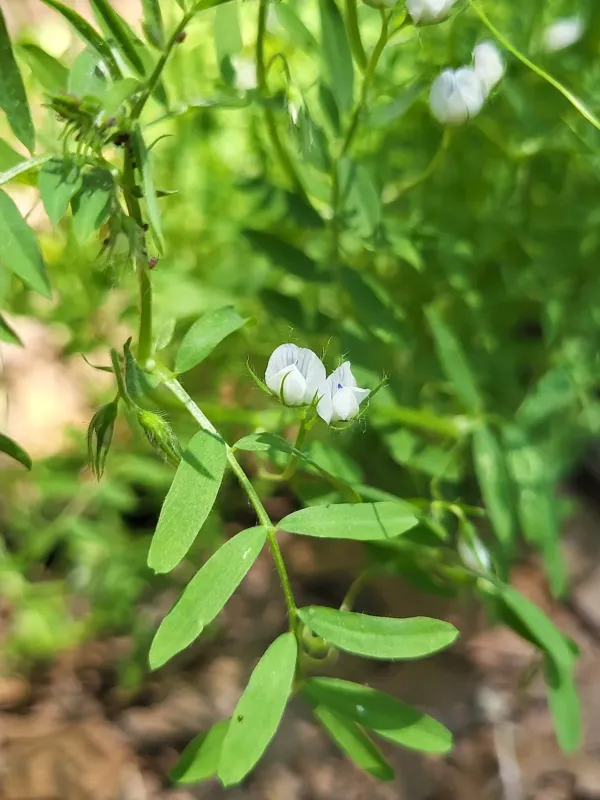
Description
Sowing dates
Lentil (Lens culinaris Medik.) is a hardy annual legume that thrives in cool, temperate climates. Sowing usually occurs in early spring when the soil temperature reaches at least 5–6°C, allowing the crop to establish a robust root system before the arrival of warmer weather.
The standard planting density involves rows spaced about 15 cm apart. Seed depth should be maintained between 3 and 5 cm, depending on soil moisture levels, to ensure uniform emergence across the field. Proper seed bed preparation is essential for this.
Seeding rates typically range from 1.5 to 2.5 million viable seeds per hectare. It is important to adjust these rates based on the specific cultivar characteristics and the region's climate to prevent overcrowding, which can lead to excessive foliage and lodging.
After seeding, rolling the field is recommended to improve soil-to-seed contact, which accelerates germination. Early-season weed management is vital since lentils grow slowly during their initial stages, making them poor competitors against invasive grasses and weeds.
Strategic timing of sowing ensures that the plant enters its reproductive phase during optimal environmental conditions, significantly increasing the probability of a successful, synchronized harvest.
Growing requirements
Lentils are highly valued for their drought tolerance, yet they require adequate moisture during the flowering and pod-filling stages to maximize yields. They perform best in well-drained, fertile soils with a pH between 6.0 and 7.5, which is ideal for symbiotic nitrogen fixation.
The crop is sensitive to waterlogging, as excessive soil moisture can cause root rot and hinder development. Choosing fields with good drainage is a primary requirement for any successful lentil farming operation.
As a light-loving plant, lentils require long daylight hours to progress from the vegetative phase to flowering. They are well-suited to varied agro-climatic zones, provided that the soil is not overly saline or acidic, which would limit the efficiency of nitrogen-fixing bacteria.
In terms of crop rotation, lentils serve as an excellent nitrogen-fixing precursor for cereals. They leave residual nitrogen in the soil, which benefits subsequent crops. The best predecessors for lentils are typically cereals or other non-leguminous crops.
Balanced fertilization, particularly with phosphorus and potassium, is recommended based on soil analysis. Excessive nitrogen fertilization is generally avoided, as the plant fulfills most of its nitrogen needs through its root nodules.
Yield
The yield of lentils varies significantly based on management practices, varietal selection, and environmental factors. On average, well-managed crops can produce between 1.5 and 2.5 metric tons of grain per hectare, depending on local conditions.
Yield losses often occur due to pod shattering, lodging, or disease outbreaks during humid periods. Selecting resistant cultivars is a key agronomic strategy to minimize these risks and ensure stable profitability for the producer.
Inoculation with species-specific Rhizobium bacteria prior to planting is highly effective in boosting yield, as it optimizes nitrogen fixation. This process reduces input costs while enhancing the overall vigor of the legume crop throughout the growing season.
Proper weed control and timely management of pests play a major role in achieving maximum yield potential. Protecting the crop from stress during critical periods, such as bloom, consistently results in higher grain weight and quality.
Effective agricultural planning, including moisture conservation and field preparation, allows farmers to reach the higher end of the yield potential, making lentils a lucrative part of a diversified crop rotation.
Main diseases and pests
Lentils are vulnerable to various pathogens, especially in high-humidity environments. The most common diseases that affect yield and grain quality include:
- Alternaria blight, which causes dark lesions on foliage.
- Anthracnose and Gray mold (Botrytis), damaging stems and pods.
- Helminthosporium and Rhizoctonia root rots.
- Sclerotinia stem rot and Ashy stem blight.
Pests such as pea leaf weevils and lentil seed beetles can cause significant damage. Root-knot nematodes can also be a hidden threat, suppressing growth by attacking the roots. Integrated pest management (IPM) is essential for effective control.
Crop rotation remains the most critical tool for preventing disease buildup. Avoiding lentils in the same field for at least 4–5 years significantly reduces the infectious load. Fungicidal seed treatments are standard practice to protect against soil-borne pathogens.
Monitoring fields during the growing season allows for targeted interventions if pests or symptoms of disease appear. Maintaining clean fields and controlling weeds that may act as disease reservoirs is also essential for success.
Harvesting
Harvesting is a critical phase, as lentils are prone to shattering and lodging if left too long in the field. The crop is ready for harvest when approximately 70–80% of the pods turn brown and the seeds reach a hard consistency.
Direct combining is common, though it requires specialized headers that can cut close to the ground to pick up lower-hanging pods. Modern equipment adjustments help reduce grain cracking, which is vital for maintaining high market quality.
Grain moisture content must be carefully managed. Post-harvest, lentils should be dried to roughly 13–14% moisture to prevent spoilage, mold growth, and heating during storage. Proper aeration is crucial if seeds are stored in silos.
Efficiency during harvest is key to minimizing field losses. Because the window for optimal harvesting is often narrow, having adequate and well-maintained machinery available is a prerequisite for professional lentil producers.
Careful post-harvest handling, including prompt cleaning and sorting, ensures the final product meets commercial specifications and maintains its nutritional integrity for food use.