
Lentil
Lens culinaris Medik. subsp. culinaris
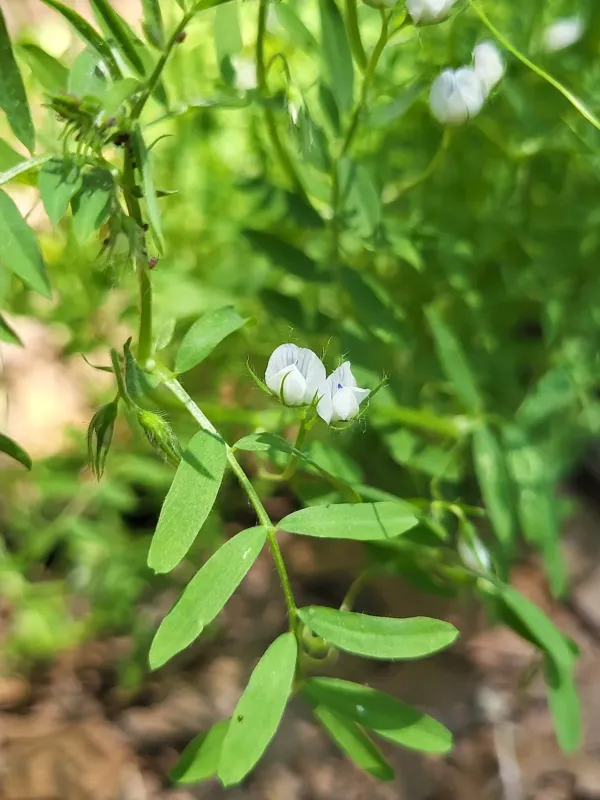
Description
Sowing dates
Lentil (Lens culinaris Medik. subsp. culinaris) is a vital member of the Fabaceae family, widely recognized as one of the world's oldest and most nutritious pulse crops. Sowing should commence early in the spring, once soil temperatures reach 5–7°C, as the crop exhibits excellent tolerance to cool climates.
The standard sowing method involves row planting with a row spacing of approximately 15 cm. This density ensures optimal space for each plant, promoting uniform growth and higher seed yields per hectare. Seeding rates typically range from 2.0 to 2.5 million seeds per hectare, depending on variety size.
Seeding depth is critical and should be adjusted based on soil moisture and texture, usually between 3 and 5 cm. Proper depth ensures consistent germination and allows the crop to establish a robust root system capable of accessing deeper soil moisture during early development.
Lentils thrive best when placed in a crop rotation that follows winter cereals or maize. To prevent the buildup of soil-borne pathogens and ensure long-term productivity, it is advised not to grow lentils on the same field more frequently than once every four to five years.
The crop's ability to fix nitrogen through symbiotic relationships with Rhizobium bacteria makes it a beneficial component of sustainable farming systems. This biological nitrogen fixation reduces the need for external nitrogen fertilizers and enhances soil fertility for subsequent crops.
Growing requirements
Lentils prefer temperate climates and require moderate temperatures for optimal development. High heat during the flowering and pod-filling stages can significantly reduce yields, as it may cause flower abortion or shriveled seeds due to heat stress.
Well-drained sandy loam or loamy soils are ideal for lentil production, as the crop is highly sensitive to waterlogging. A soil pH between 6.5 and 7.5 is preferred, as this range supports both plant growth and the activity of nitrogen-fixing bacteria.
Fertilizer application should focus on phosphorous and potassium, which are best applied during primary soil cultivation. While nitrogen is fixed biologically, minimal starter doses may be used in nitrogen-deficient soils to promote vigorous initial growth before the symbiosis is fully established.
Effective weed management is essential during the early stages of lentil development, as the crop grows slowly and is easily outcompeted by weeds. Chemical herbicides or mechanical weeding are frequently employed to keep the field clear until the canopy closes.
The crop is utilized in various sectors, primarily as a human food source rich in plant-based protein, dietary fiber, and essential minerals. In some regions, its biomass is also used for animal fodder due to its high nutritional value and digestibility.
Yield
Average lentil yields vary significantly based on variety, regional climate, and management practices, typically ranging from 1.5 to 2.5 tonnes per hectare. With advanced genetic selection and precise agronomy, high-yielding plots can exceed these averages.
Seed inoculation with specific rhizobial strains prior to sowing is a fundamental practice for achieving maximum productivity. By ensuring a successful symbiotic relationship, farmers can boost the plant's nitrogen uptake and overall vegetative growth.
Yield stability is strongly influenced by the consistency of rainfall during the critical pod-filling phase. Moisture stress during this period is the most common cause of yield loss, making irrigation or moisture-conserving tillage practices highly advantageous.
Choosing locally adapted, high-yield varieties is the first step toward a successful harvest. Resistance to lodging and shattering is particularly important, as these traits determine how much of the yield can be successfully retrieved during machine harvesting.
Harvest-time management, including the use of desiccants, is often employed to ensure uniform maturity across the field. This uniformity minimizes yield losses during combine operations and ensures the grain meets commercial quality standards.
Main diseases and pests
Common diseases affecting lentils include ascochyta blight, fusarium wilt, and anthracnose. These fungal infections are particularly severe in cool, wet seasons and can lead to major reductions in crop density and overall seed quality.
The lentil weevil (Bruchus lentis) is one of the most destructive pests, as it infests pods and damages the seed, rendering it unsuitable for human consumption or future planting. Aphids and other sucking insects also pose threats by transmitting viral diseases.
Integrated pest management, including seed treatment with appropriate fungicides and insecticides, is the most effective approach to protection. Preventing the spread of pathogens relies heavily on cleaning machinery and using certified, disease-free seed stock.
Root rots remain a hidden threat, especially in fields where crop rotation cycles have been neglected. These diseases destroy the root system, causing plants to wilt and die prematurely, thereby thinning the crop stand and significantly reducing harvestable biomass.
Field monitoring during the flowering stage allows for timely intervention if pest or disease thresholds are reached. Applying pesticides responsibly during this period is crucial to avoid negative impacts on honey bees and other beneficial pollinating insects.
Harvesting
Lentil harvesting requires precise timing to avoid excessive losses due to shattering. The operation generally begins when the pods turn brown and the seeds reach a moisture content of approximately 14–16%, ensuring the crop is sufficiently dry for long-term storage.
Straight combining is the preferred method for harvesting modern varieties. To maximize efficiency, headers must be capable of cutting close to the ground, given the architecture of the lentil plant and the potential for low-hanging pods.
In cases of uneven ripening, a two-stage harvest (swathing followed by picking up) may be utilized to allow the crop to dry naturally in windrows. This method can be safer for high-moisture crops but increases the risk of losses due to weather events.
Great care must be taken when adjusting the combine's threshing mechanism. Lentil seeds are easily damaged or split by mechanical impact, so maintaining appropriate drum speeds and concave clearances is vital to preserving seed integrity and market value.
Post-harvest conditioning includes cleaning the grain to remove field debris and ensuring moisture content is below 14% to prevent mold growth. Proper storage in cool, dry conditions is the final step in protecting the quality of the harvested produce.