
Description
Symptoms
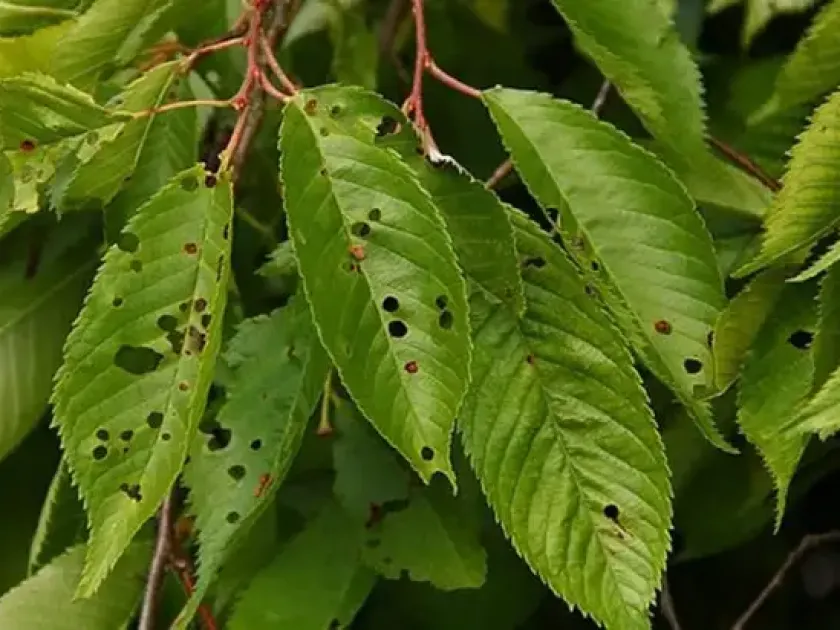
The most common symptoms include the appearance of small, distinct spots on foliage that later expand and turn brown, grey, or black in color.
Often, a halo or dark margin surrounds these lesions, which is a characteristic feature for many species within the Cylindrosporium genus.
In food lentils, the disease typically manifests as chlorosis of the lower leaves, leading to premature senescence and defoliation of the canopy.
Small, pin-point structures, which are the fungal fruiting bodies, can be observed within the necrotic spots under high magnification or with the naked eye.
As the infection progresses, coalescence of spots occurs, resulting in large blighted areas that significantly weaken the plant's structural integrity.
Pathogen
The pathogen Cylindrosporium refers to a genus of fungi classified within the Deuteromycetes, known for causing various leaf spot diseases across many crop species.
These fungi produce conidial structures, known as acervuli, that develop within the host plant tissue and eventually rupture the epidermis to disperse spores.
The mycelium colonizes the intracellular spaces of the leaves and stems, secreting enzymes that degrade plant tissues to obtain necessary nutrients.
Persistence of the pathogen is achieved through survival on infected plant debris left in the soil, allowing the fungus to overwinter successfully.
Transmission occurs via rain splashes, wind, and movement of equipment, which carry the conidia from infected remnants to emerging spring growth.
Conditions for development
High humidity and consistent rainfall are the primary environmental drivers for the rapid proliferation and germination of Cylindrosporium spores.
Moderate temperatures ranging from 15°C to 22°C provide the optimal climate for the metabolic activities and spread of the fungus during the growing season.
Dense planting patterns reduce airflow and increase leaf wetness duration, creating an ideal microclimate for secondary infection cycles.
Poor soil drainage and low-lying field areas exacerbate the conditions, as stagnant water increases the local humidity levels around the crops.
The presence of previous season's crop residues acts as the primary inoculum source, especially in fields with minimal tillage practices.
Why it matters
The primary damage is caused by the significant reduction in leaf area, which decreases the plant's capacity for photosynthesis and energy production.
For lentil crops, this leads to stunted plant growth, abortion of flowers, and poor development of seed pods, directly impacting total yield.
Heavy infections can cause severe defoliation, leaving the plants vulnerable to sunburn and further physiological stress during the critical pod-fill stage.
Reduced crop vigor often leads to an increased susceptibility to other opportunistic pathogens and pests, complicating the management of the crop.
Economic losses arise not only from reduced yield but also from lower seed quality and the increased costs associated with disease management interventions.
Protection
Integrated disease management begins with crop rotation, ensuring a break of at least 3 years between planting susceptible leguminous species.
Sanitation practices, such as the incorporation of crop debris into the soil through deep plowing, significantly reduce the initial inoculum load.
The selection of resistant cultivars is a fundamental strategy to minimize the dependency on chemical control methods throughout the growing season.
When the disease reaches threshold levels, the application of systemic fungicides is recommended to protect the remaining green tissue.
- Improve drainage systems in the field.
- Utilize certified and treated seed lots.
- Control alternative weed hosts that harbor the pathogen.
Pathogens and affected parts
Affects crops · 1
Discussion
No discussions yet — be the first.