
Lens nigricans
Lens nigricans (M. Bieb.) Webb & Berthel.
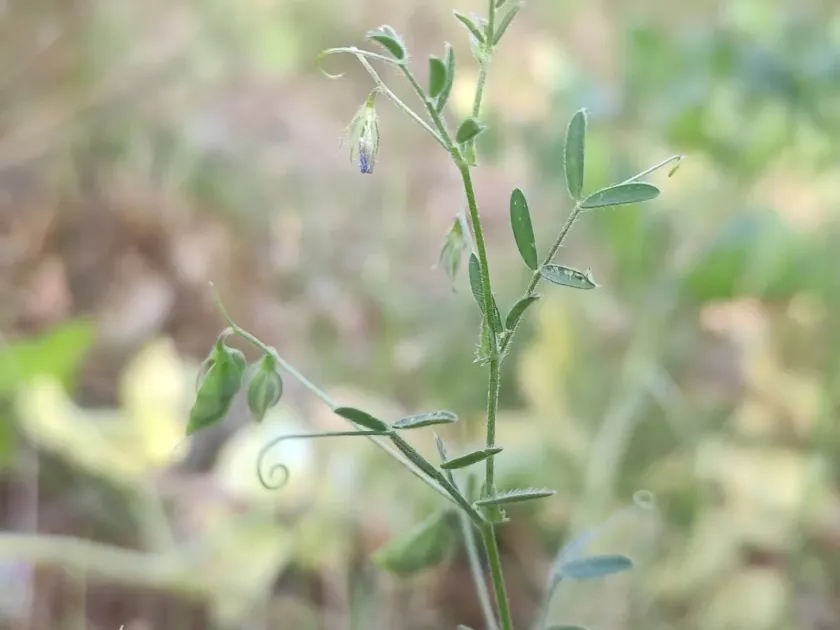
Description
Sowing dates
Sowing of Lens nigricans should be performed during the early spring period, as soon as the soil has reached the required temperature for active seed germination and development.
The optimal seeding depth ranges from 3 to 5 centimeters, ensuring the seed is placed in sufficiently moist soil to facilitate quick and uniform emergence of seedlings.
A standard row-seeding method with 15–20 cm spacing is recommended, allowing for an optimal density of approximately 200–250 plants per square meter for maximum productivity.
Inoculation of seeds with appropriate nitrogen-fixing bacteria is a vital agronomic step that supports the plant's nutritional needs and improves overall yield quality.
Farmers must monitor the sowing density closely, as excessive plant populations can lead to poor air circulation, increasing the risk of humidity-related fungal diseases.
Growing requirements
Lens nigricans is a member of the Fabaceae family, recognized for its adaptability to various temperate environments and its inherent resilience to moderate drought stress.
This crop performs best in well-drained, fertile soils with a neutral or slightly alkaline pH, while it struggles significantly in waterlogged, heavy clay, or acidic soil conditions.
Light intensity plays a critical role in the growth of the species, as it requires full sun exposure to thrive; weed control is essential during the early stages to prevent competition.
The ideal temperature range for active growth is between 18 and 25 degrees Celsius, although the plants possess a remarkable ability to endure short-term frost after emergence.
Water availability is most crucial during the flowering and pod-filling phases, where sufficient moisture levels are required to produce healthy, full-sized seeds.
Main diseases and pests
Fungal pathogens such as Fusarium wilt and Ascochyta blight are the primary threats to crop health, particularly in years characterized by excessive rainfall and high atmospheric humidity.
Pests that frequently cause economic damage include the pea leaf weevil, which feeds on the foliage, and the lentil bruchid, which affects seeds during the maturation process.
Effective management requires a long-term strategy, including a robust crop rotation plan where the crop is not planted in the same field for at least four consecutive years.
Integrated pest management protocols, including the use of certified seed treatments and regular field scouting, are necessary to minimize reliance on synthetic chemical applications.
Proper field sanitation, including the removal of crop residues, helps in breaking the life cycle of overwintering pathogens and pests that threaten subsequent harvests.
Harvesting
The harvest period occurs when the pods reach full physiological maturity, indicated by a characteristic color change and a significant reduction in grain moisture levels.
Farmers often employ desiccation techniques to ensure the crop matures evenly, which is especially beneficial when weather conditions might delay natural field drying.
Careful machinery adjustment is required to minimize harvest losses, as the pods may be located close to the soil surface, requiring a low cutter bar setting during operation.
Immediate post-harvest processing, including cleaning and drying the seeds to 14 percent moisture, is essential to prevent degradation and mold during long-term storage.
Properly dried and cleaned seeds should be kept in well-ventilated storage facilities to maintain the seed quality and market value of the harvested pulse crop.