
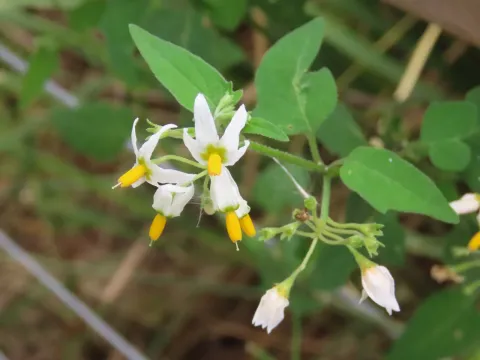
Solanum pilcomayense
Solanum pilcomayense
Solanum pilcomayense is a plant species belonging to the Solanaceae family, widely known for its diverse members including potatoes, tomatoes, and various ornamental plants. It serves as a subject of interest for botanical research and potential breeding programs.
What the section contains
Solanum pilcomayense
Originating from the South American continent, specifically the Pilcomayo River basin, the plant has evolved to thrive in tropical and subtropical environments. This adaptation makes it highly dependent on consistent warmth and long photoperiods during its growing cycle.
The plant requires well-draining soil with a pH ranging from slightly acidic to neutral to ensure optimal nutrient uptake. Proper soil structure is essential, as the root system is sensitive to waterlogging, which can lead to rapid decay of the tissues.
Climate requirements involve high temperatures and protection from frost, as the species is not cold-hardy. Greenhouse conditions or controlled environments are often preferred in temperate zones to simulate its natural habitat and ensure continuous development.
Cultural practices include providing adequate spacing to avoid foliage crowding, which helps in maintaining air circulation around the plants. Regular fertilization with balanced NPK ratios is necessary to support biomass production during the vegetative stage.
Common diseases affecting Solanum pilcomayense include late blight and various fungal pathogens that frequently plague members of the nightshade family. Humid conditions significantly increase the risk of rapid pathogen proliferation.
Insect pests, such as aphids, spider mites, and beetle species, represent a significant threat to plant health. These pests can cause extensive structural damage to leaves and stems, and may also act as vectors for plant viruses.
Management strategies rely heavily on crop rotation and integrated pest management (IPM) practices. It is crucial to avoid planting this species in areas previously occupied by other solanaceous crops to minimize soil-borne disease pressure.
Monitoring for signs of infestation or infection should be done weekly. Early detection of symptoms allows for targeted localized treatments, reducing the need for broad-spectrum chemical applications.
Sanitation practices, such as removing infected debris and sterilizing tools, are fundamental to preventing the spread of diseases within the cultivation site and ensuring a healthy population.