
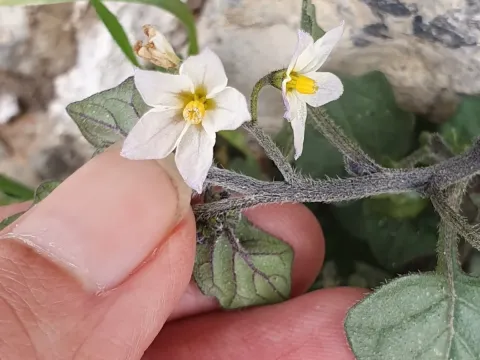
Solanum patens
Solanum patens
Solanum patens is a perennial herbaceous plant belonging to the Solanaceae family. In agricultural practice, this crop requires careful attention to the timing of planting, as it is sensitive to temperature fluctuations during the initial stages of vegetation.
What the section contains
Solanum patens
The optimal time for sowing seeds in the field is when soil temperatures consistently reach 15–18 degrees Celsius. In temperate climates, it is often recommended to grow seedlings in a protected environment for 45–60 days before transplanting to the field.
When sowing directly into the ground, it is important to observe the planting depth, which should be approximately 1–2 centimeters. Shallow planting risks drying out the seeds, while planting too deep can delay germination due to lack of oxygen.
The planting scheme should account for the plant's spreading habit. A distance of 40–50 centimeters between plants in a row and 70 centimeters between rows is recommended to ensure adequate space for development and proper ventilation.
To achieve uniform emergence, constant soil moisture must be maintained during the first two weeks. Uneven germination is a common challenge, requiring careful selection of high-quality seeds and proper seedbed preparation.
The crop has high requirements for soil fertility and light exposure. Ideal conditions include light loamy or sandy soils with a neutral or slightly acidic pH (6.0–7.0). Good drainage is essential to prevent root diseases.
Solanum patens is a heat-loving plant that does not tolerate sudden temperature shifts well. The optimal temperature range for active growth and development is 22–26 degrees Celsius during the daytime.
Regular but moderate watering is necessary, avoiding waterlogging, which can lead to root rot. During drought periods, the water requirement increases significantly, especially during the flowering and fruit-setting phases.
The plant responds well to organic fertilization, such as well-rotted manure or compost, applied during autumn soil preparation. Mineral fertilizers rich in phosphorus and potassium are recommended to promote fruit formation.
Protection from strong winds and intense midday sun is crucial during the early stages. Often, growers use shading nets or site selection in areas sheltered from direct harsh sunlight to prevent leaf scorch and moisture loss.
The economic value of Solanum patens is primarily due to its biochemical properties. Its fruits contain various alkaloids and vitamins, making the plant a target for the pharmaceutical industry as a raw material.
Crop yields vary depending on environmental conditions and the intensity of agricultural practices. With optimal management, average yields of marketable produce typically range from 15 to 25 centners per hectare.
The intensity of flowering is a key indicator of the potential harvest. Timely application of micro-nutrients during the budding phase can significantly increase the number of fruits and reduce the risk of premature fruit drop.
Harvesting is usually carried out in several stages as fruits reach technical maturity. Delaying the harvest is not recommended, as overripe fruits may lose their medicinal properties and become prone to spoilage.
After harvesting, the produce requires immediate processing or drying. High moisture content in the fresh fruits makes them susceptible to rapid degradation, necessitating efficient primary handling.
The main threats to Solanum patens are fungal diseases common to the Solanaceae family, such as late blight and early blight. These infections spread rapidly under high humidity and low temperature conditions.
Significant pests include the Colorado potato beetle, aphids, and spider mites. These pests can cause severe damage to the foliage, which drastically reduces photosynthetic capacity and lowers overall crop yield.
Management strategies involve integrated pest management, combining preventive biological controls and chemical treatments strictly adhering to safety regulations and pesticide application schedules.
Crop rotation is a fundamental preventive measure against diseases; it is strictly advised not to plant Solanum patens on the same land more often than every 3–4 years, especially after other related species.
Effective weed control is also necessary, as weeds can act as reservoirs for viruses and pests that impact the crop, thereby reducing the risk of transmission to the main planting.
Harvesting begins when the fruits change color, signaling the accumulation of target active substances. The process must be performed carefully to avoid damaging the brittle stems of the plant.
Harvesting methods range from manual picking to mechanical harvesting, depending on the scale of production. It is important to perform these operations in dry weather to improve the storage longevity of the raw material.
Post-harvest handling includes sorting and cleaning to remove damaged or low-quality fruits. This step is critical to prevent the spread of mold and rot within the storage containers.
Transportation of the harvested crop must be done in well-ventilated crates to prevent heat accumulation and quality loss. Rapid movement of goods from the field to the processing facility is vital.
Storage should take place in a cool, dry environment with low humidity. Regular monitoring of the stored product ensures minimal losses and maintains a consistent standard of raw material for further processing.