
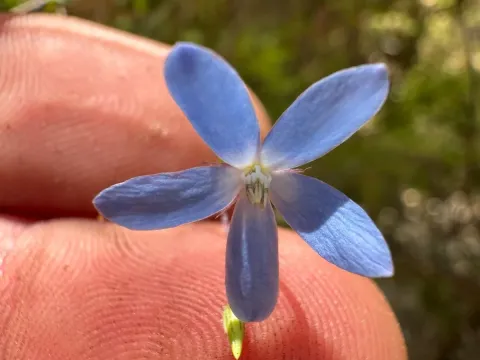
Sollya parviflora
Sollya parviflora
Sollya parviflora, commonly known as a member of the Pittosporaceae family, is an evergreen climbing shrub native to Australia. This plant is valued for its delicate, bell-shaped flowers and attractive foliage, making it a popular choice for temperate gardens.
What the section contains
Sollya parviflora
Climate requirements for this species are specific, as it thrives in frost-free environments. It requires protection from extreme cold and strong winds, which makes it an ideal candidate for greenhouse cultivation in colder regions.
Soil composition should prioritize excellent drainage to prevent root rot. A mix containing peat, perlite, and coarse sand provides the necessary aeration and moisture retention that this plant demands for vigorous growth.
Light levels should be carefully managed, favoring bright, filtered light rather than harsh, direct sun. In warmer climates, providing partial afternoon shade will ensure the health and longevity of the plant's delicate leaves.
Watering practices should balance consistent moisture with periods of near-dryness to avoid root suffocation. During the dormant season, water intake should be significantly restricted to mirror the plant's natural growth cycle.
Spider mites are a primary pest concern for Sollya parviflora, especially in indoor settings with low humidity. Regular misting and the use of natural predators can help keep populations under control.
Fungal issues, such as leaf spot and root decay, often stem from inadequate air circulation around the canopy. Maintaining space between plants and ensuring a breeze helps to reduce the incidence of these pathogens.
Mealybugs can occasionally infest the stems, leaving sticky residue behind. Manual removal with a cotton swab dipped in rubbing alcohol is effective for minor infestations, while systemic insecticides are needed for larger outbreaks.
Root rot is often the most critical threat, caused by poorly drained soil and overly frequent watering sessions. Once the root system is damaged by pathogens, the plant is difficult to recover, making prevention the best strategy.
Maintaining proper hygiene by removing fallen leaves and pruning dead wood will prevent secondary fungal infections. A regular maintenance schedule is essential for the long-term health of these ornamental vines.