
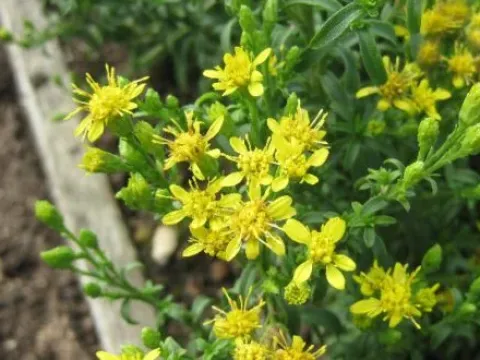
Soliidaster
Soliidaster
Soliidaster is an intergeneric hybrid resulting from a cross between Solidago (goldenrod) and Aster. Belonging to the Asteraceae family, it combines the structural resilience of goldenrod with the delicate floral charm of the aster genus.
What the section contains
Soliidaster
Propagation is primarily achieved through vegetative division of the rootstock in early spring or autumn. This method is preferred to maintain the consistency of the hybrid characteristics, as seeds often produce variable offspring.
While seed propagation is biologically possible, it is rarely utilized in commercial production due to the lack of genetic uniformity in the resulting plants. Cuttings are a more reliable method for large-scale cultivation.
When planting, it is crucial to ensure the site has been thoroughly prepared with organic amendments. The ideal spacing is roughly 30–40 cm between plants, depending on the specific vigor of the selected cultivar.
Proper irrigation immediately after transplanting is vital to ensure root establishment. The young plants should be monitored to prevent soil crusting and to ensure that the crown is not buried too deep.
Soliidaster performs best in full sun, where it develops strong, upright stems. Exposure to adequate sunlight is essential for the intensity of the floral colors and overall plant vigor.
The crop thrives in well-drained, fertile soil. It is adaptable to various soil types, but loam that is rich in organic matter provides the optimal environment for extensive root development.
Soil pH should remain in the neutral range (6.0–7.0). If the soil is excessively acidic, the application of lime is recommended before planting to optimize nutrient availability for the plant.
Temperature management is generally straightforward as the plant is hardy across various temperate zones. However, providing adequate moisture during the heat of summer prevents foliage burn and floral dehydration.
Mulching is a standard practice to preserve soil moisture and regulate temperatures. A layer of organic mulch also suppresses weed competition, which is necessary during the early stages of growth.
The economic value of Soliidaster is derived from its high demand in the floral industry. It is highly prized as a filler flower, offering long-lasting stems with dense clusters of small, attractive blooms.
Commercial yields are optimized through systematic fertigation, which ensures that nitrogen, phosphorus, and potassium levels are balanced according to the plant's growth stage.
A well-maintained plot can remain highly productive for 4–5 years. Beyond this timeframe, the decline in stem quality necessitates the division and renewal of the planting beds.
Effective management includes the removal of weak or stunted stems to prioritize nutrient allocation to the primary flower-bearing stalks, thereby increasing the market value of the crop.
Post-harvest handling is critical. Stems should be processed quickly to minimize water loss and ensure that the product maintains its fresh appearance throughout the supply chain.
Powdery mildew is the most common pathology affecting this crop, particularly in humid, still-air environments. Proper spacing and airflow management are the primary cultural controls for this issue.
Rust and other fungal leaf spots can appear under stress conditions. Fungicidal treatments should be applied preventatively, especially during periods of high humidity and rainfall.
Aphids and spider mites are the primary pests that may impact the crop. Regular scouting is essential to identify infestations before they reach levels that damage the foliage or the inflorescences.
Integrated Pest Management (IPM) practices, including the use of beneficial insects and selective chemical applications, are recommended to maintain the health of the plants.
- Maintain good field sanitation by removing debris.
- Use drip irrigation to keep foliage dry.
- Implement regular monitoring programs for early detection.
Harvesting should occur during the cooler morning hours to ensure maximum stem turgidity. This prevents the rapid wilting that often affects summer-harvested flower crops.
The optimal harvest stage is when approximately 50% of the florets in the cluster are fully open. This ensures a long shelf life for the end user without compromising the aesthetic appeal.
After cutting, stems must be immediately placed in clean water to prevent vascular blockage. Using floral preservatives can significantly extend the vase life of the product.
Grading is essential for market success, where stems are sorted by height, stem strength, and the uniformity of the floral clusters to meet professional florist standards.
Final cleanup of the field after the growing season involves removing all senescing plant material, which reduces the potential for overwintering pests and disease inoculums.