
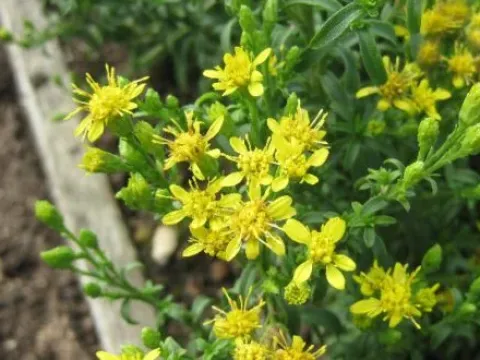
Solidaster
Solidaster
Solidaster is an intergeneric hybrid resulting from a cross between Solidago (Goldenrod) and Aster. It belongs to the Asteraceae family and is recognized as a hardy, long-blooming perennial widely used in floriculture.
What the section contains

Solidaster
Propagation is primarily achieved through division of the root clump during early spring or autumn. This method ensures that the offspring retain the desirable traits of the parent plant, especially regarding flower color and stem strength.
While seed sowing is possible, it is less common due to the hybrid nature of the plant, which may result in uneven progeny. When seeds are used, they are typically sown indoors in early spring and transplanted after the risk of frost.
Proper plant spacing is essential for air circulation. Planting in rows with an interval of 40–50 cm is standard for commercial production, which helps prevent overcrowding and subsequent disease development.
Establishing the crop requires adequate soil moisture during the first few weeks after planting. Once established, the root system is robust and can tolerate moderate soil moisture fluctuations.
The plant thrives in full sun, which is necessary to maintain sturdy, upright stems and promote vigorous flowering. In shaded environments, the plants tend to lean and produce fewer flowers.
Solidaster is adaptable to various soil types, but it performs best in well-drained, fertile soil. Poorly drained, heavy clay soils should be avoided or amended to prevent waterlogging, which the plant does not tolerate well.
Regarding climate, the culture is fairly hardy. It withstands moderate cold but benefits from organic mulch in regions with harsh winters, especially in the absence of consistent snow cover.
Regular irrigation is required during the peak growing season and throughout the blooming period. However, it is vital to avoid over-watering, as a consistently soggy substrate leads to root system decline.
Soil fertility management involves balanced fertilization in the spring to encourage foliage growth, followed by a lighter application of potash-rich fertilizer as the flower buds begin to form to enhance color and strength.
Powdery mildew is the most significant threat, especially during humid weather conditions. Maintaining proper spacing and selecting well-ventilated planting sites are the first lines of defense.
Rust can occur on the foliage, manifesting as orange or brown pustules. Affected foliage should be removed immediately to prevent spores from spreading across the entire field.
Aphids are common pests that feed on the soft, succulent tips of the stems. If left unchecked, they can distort the flower heads, rendering the cut flowers unsuitable for commercial sale.
Spider mites may become problematic during hot, dry summer months. Monitoring the undersides of the leaves for webbing is essential for early detection and targeted treatment.
Integrated pest management strategies, including the use of beneficial insects and timely application of fungicides, are crucial for maintaining a high-quality crop yield throughout the season.
Solidaster is highly valued as a filler flower in the floral industry due to its delicate, dense, and long-lasting inflorescences. It complements various bouquet styles, from rustic to modern designs.
The harvest should take place when approximately 50-70% of the florets are open. Cutting too early may prevent full development in the vase, while waiting too long reduces the vase life of the flowers.
Harvesting is best done during the cooler parts of the day, preferably in the morning. Stems should be immediately placed in clean, cool water to ensure proper hydration before distribution.
Following the harvest, it is recommended to provide a light fertilization to the parent plants to help them store enough nutrients to survive the dormant season successfully.
In terms of post-harvest care, treating the water with floral preservatives significantly extends the longevity of the cut stems, making them a reliable choice for wholesalers and retail florists.