
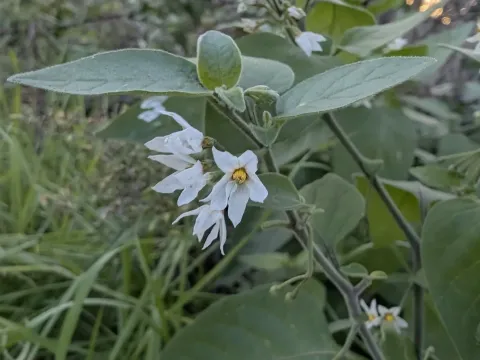
Solanum sublobatum
Solanum sublobatum
Solanum sublobatum is a herbaceous plant species that belongs to the Solanaceae family, known for its diverse members used in global agriculture. Originally native to parts of South America, this plant is primarily utilized in specialized botanical and experimental agricultural research settings.
What the section contains
Solanum sublobatum
The plant thrives best in environments that provide consistent solar exposure. Successful cultivation requires a climate that remains warm and stable, as the species does not tolerate sudden frost or prolonged cold periods which can severely compromise the plant's health and development.
Regarding soil requirements, Solanum sublobatum demands a fertile, well-draining substrate. It performs optimally in loamy soils that maintain a balance between moisture retention and aeration, preventing the risk of root suffocation caused by excessive water stagnation.
Regular irrigation is essential for maintaining the vigor of the plant, especially during peak growth stages. It is crucial to monitor soil moisture levels closely, as both water deficiency and over-saturation can adversely affect the plant's overall productivity.
Agronomic management involves periodic fertilization with balanced nutrients. Providing an adequate supply of essential macro and micronutrients supports robust growth and ensures that the plant reaches its full physiological potential under controlled conditions.
The crop is susceptible to common solanaceous pathogens, most notably late blight, which can lead to rapid decay of foliage and stems if environmental conditions favor fungal spread.
Bacterial wilt represents another significant threat to Solanum sublobatum, as it can block the vascular system of the plant, leading to sudden wilting and eventual death of the affected specimens.
Pest pressure is frequently attributed to Colorado potato beetles and various species of aphids. These insects can cause substantial economic damage by consuming leaf tissue or acting as vectors for detrimental plant viruses.
Whiteflies can also become a problem in confined cultivation areas, necessitating careful monitoring and timely intervention to prevent populations from reaching destructive levels.
- Implementing strict field sanitation protocols to minimize disease spread.
- Utilizing integrated pest management (IPM) strategies to balance chemical and biological controls.
- Regular soil testing to optimize nutrient levels and support plant immunity.