
Megalodonta
Megalodonta
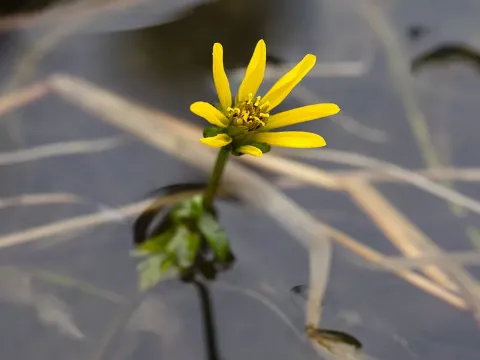
Megalodonta is a genus of aquatic plants belonging to the Asteraceae family. These perennial hydrophytes are native to freshwater environments, primarily found in North America.
What the section contains

Megalodonta
The plant features distinctively dissected leaves adapted for submergence, allowing it to absorb essential nutrients directly from the water column in its aquatic habitat.
Successful growth requires ponds or slow-moving water bodies with stable parameters. The plant thrives in well-lit areas, as its photosynthetic rate is highly dependent on sufficient solar penetration through the water surface.
Temperature stability is critical, and the plant is known to be sensitive to extreme fluctuations in pH levels, making water quality management a priority for successful cultivation.
A nutrient-rich silty substrate on the bottom of the water body is ideal for root development. The plant uses its robust root system to anchor itself firmly, helping to maintain ecological balance in managed aquatic environments.
Pathogenic fungi represent the primary threat to Megalodonta, particularly in stagnant water conditions where oxygen levels are low and organic decomposition is high.
Various aquatic insect larvae can cause significant damage to the plant by feeding on its delicate submerged foliage, which stunts overall growth and decreases vigour.
Competition from invasive algal species can overwhelm Megalodonta, blocking essential sunlight and competing for vital nutrients within the aquatic environment.
Chemical pollutants in the water supply can cause physiological stress, leading to tissue deformation, chlorosis, and potential die-back of the plant's vegetative parts.
Proactive management includes periodic water quality testing and the mechanical removal of invasive vegetation to ensure the health and longevity of the Megalodonta population.