
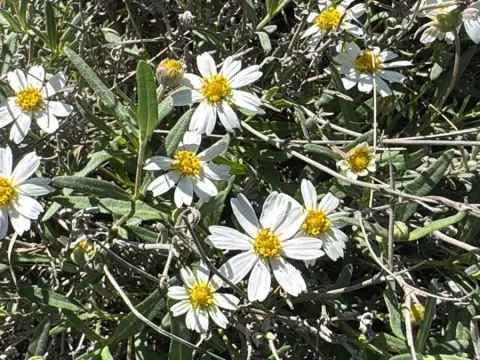
Melampodium
Melampodium L.
Melampodium is a heat-loving annual, which means it should be sown only after the danger of spring frost has completely passed. The soil must be well-warmed to ensure germination and healthy initial growth.
What the section contains

Melampodium
Starting seeds indoors is a common practice to gain a head start on the growing season. Sowing should be done in trays approximately 6 to 8 weeks before the intended date of transplanting outside.
The seeds require light to germinate effectively. They should be pressed lightly into the soil surface rather than buried deeply, ensuring they are kept consistently moist until seedlings emerge.
Transplanting seedlings to their final location in the garden should be done carefully to avoid root disturbance. Spacing the plants 20–30 cm apart encourages better airflow and more robust individual specimens.
If direct sowing in the garden is preferred, it should be timed for late spring when the soil temperature consistently stays above 15 degrees Celsius for optimal development.
Melampodium is a genus of flowering plants in the Asteraceae family, native to tropical and subtropical regions of the Americas. It is highly valued for its continuous blooming and low-maintenance nature.
The primary requirement for this crop is abundant sunlight. It performs best in full sun, where the plants remain compact and produce a prolific amount of bright yellow flowers throughout the season.
This plant is adaptable to various soil types, but it thrives best in well-drained, fertile soil. Good drainage is critical, as the plant is susceptible to root rot if left in waterlogged conditions.
While the plant exhibits excellent drought tolerance once established, consistent watering during dry spells will ensure maximum flower production and overall plant vigor.
No intensive pruning is required; however, keeping the area free from weeds and occasionally deadheading can help maintain a clean appearance and encourage prolonged flowering.
Melampodium is generally hardy and resistant to most diseases. However, in conditions with poor air circulation and high humidity, plants may be susceptible to powdery mildew infections.
Common garden pests such as aphids and spider mites can occasionally affect the plants, particularly when they are heat-stressed or grown in extremely dry environments.
Root rot is the most significant threat to Melampodium, almost exclusively caused by overwatering or planting in heavy, poorly draining soils that hold excess moisture for too long.
Monitoring the undersides of leaves during the peak of summer helps in detecting early signs of pest infestations, allowing for timely treatment with appropriate horticultural soaps or oils.
General hygiene, such as removing any diseased foliage and ensuring adequate spacing between plants, is the most effective strategy for keeping a healthy Melampodium crop.