
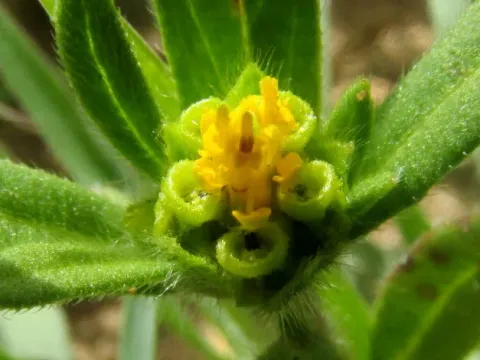
Melampodium hispidum
Melampodium hispidum
Melampodium hispidum is a warm-season plant, so direct sowing into the garden should only occur once the soil has warmed up and all danger of frost has passed in late spring.
What the section contains
Melampodium hispidum
For gardeners looking for an earlier bloom, starting seeds indoors in trays 6 to 8 weeks before the last frost date is a highly effective and common practice.
The seeds possess good germination rates and should be lightly pressed into the soil surface; they require light to germinate effectively, so do not cover them too deeply.
Maintain a stable temperature between 20–22 degrees Celsius in your germination area, ensuring the medium remains consistently moist but not waterlogged during the process.
Once the seedlings develop their first set of true leaves, they should be transplanted into individual pots to allow the root systems enough room to establish before the final planting.
This species belongs to the Asteraceae family and is native to regions of Central America, thriving best in environments that mimic its natural open, sunny habitat.
It performs optimally in loose, well-draining soil with a neutral to slightly acidic pH, as poor drainage is the primary cause of root-related issues in this species.
Once established, Melampodium hispidum shows excellent drought tolerance, though regular irrigation during extreme heat waves is essential for maintaining vibrant blooms.
Full sun exposure is crucial for this plant; planting it in shaded areas will result in leggy growth, reduced flowering, and a lack of the signature compact form.
While it is not a heavy feeder, applying a balanced, slow-release fertilizer during the active growing season will help encourage continuous production of golden blossoms.
Melampodium hispidum is widely recognized for its robust health and strong natural resistance to common garden diseases, making it ideal for low-maintenance landscapes.
Under conditions of poor air circulation or excessive humidity, the plants may occasionally become susceptible to powdery mildew, which can be managed with proper spacing.
Pests such as aphids or spider mites may appear during periods of intense heat and low rainfall, though they rarely cause significant damage to established, healthy stands.
Integrated pest management, including the use of horticultural soaps or neem oil, is typically sufficient to keep pest populations at bay while protecting the local ecosystem.
Focusing on preventative measures like watering at the base of the plant and choosing sunny, well-ventilated locations will keep the plants healthy throughout the season.
The primary use of Melampodium hispidum is decorative, serving as a bright and cheerful addition to commercial landscapes, residential flower beds, and container arrangements.
Gardeners value this plant for its long-lasting flowering season, which spans from early summer until the onset of autumn, providing consistent color when other plants fade.
A key maintenance advantage is its self-cleaning nature; the plant naturally sheds old flowers, maintaining a fresh and tidy appearance without the need for deadheading.
Its compact, branching habit makes it an excellent candidate for edging borders, mass planting for color impact, or as a reliable filler in mixed containers.
Seeds can be harvested at the end of the season once the flower heads have dried fully; keep them in a cool, dark, and dry place until the following planting cycle.