
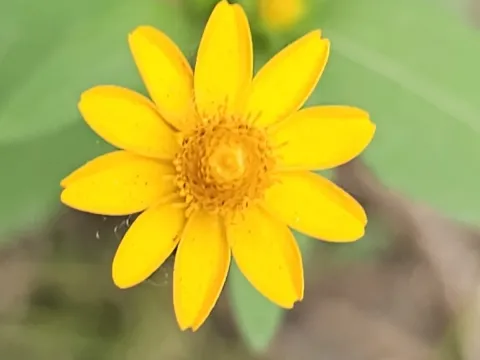
Melampodium divaricatum
Melampodium divaricatum
Melampodium divaricatum, commonly known as the butter daisy, is a fast-growing annual plant belonging to the Asteraceae family. For optimal results, seeds should be started indoors in late winter or early spring, approximately six to eight weeks before the last frost date.
What the section contains
Melampodium divaricatum
When sowing, place seeds in a lightweight, sterile seed-starting mix and cover them lightly with soil, as they require some light to germinate effectively. Maintain an ambient temperature of around 20 to 22 degrees Celsius to ensure successful and uniform germination.
Transplanting seedlings to the garden should occur only after all risks of frost have passed. These plants thrive when the soil has sufficiently warmed, allowing for rapid establishment and subsequent growth in their permanent location.
For direct sowing, wait until the soil is workable and warm. Seeds can be scattered thinly over prepared beds and covered with a fine layer of soil. Keep the area consistently moist until the seedlings emerge, which typically happens within two weeks.
Spacing is crucial for the health of this species; plant them approximately 25 to 30 centimeters apart to allow adequate airflow between the dense, bushy foliage. This spacing helps prevent moisture-related issues during the peak of summer.
The butter daisy is a sun-loving plant that requires full sun to maintain its compact, mounding habit and produce a profusion of bright yellow flowers. Partial shade may lead to leggy, stretched growth and fewer blossoms.
The species prefers well-drained soil rich in organic matter. While it is adaptable to various soil types, it performs best in loamy or sandy loams that provide both adequate drainage and moisture retention during the warmer months.
Watering requirements are moderate; the plant is relatively heat-tolerant once established. However, consistent moisture is necessary for optimal performance. Water at the base of the plant to keep the foliage dry and prevent potential diseases.
Fertilization is generally unnecessary if the soil is fertile; however, a balanced, water-soluble fertilizer applied mid-season can prolong the flowering display. Avoid high-nitrogen fertilizers, as they may prioritize leaf development over flower production.
This plant is known for its self-cleaning nature, meaning it does not typically require deadheading to continue blooming. It is highly valued in landscaping for its ability to provide continuous color from early summer until the first frosts of autumn.
Melampodium divaricatum is generally robust and suffers from few major diseases. The most significant risks are associated with poor environmental conditions, particularly excessive humidity or poor soil drainage which can lead to rot.
Root rot is the most common issue in overly wet conditions. To mitigate this, ensure the planting site is well-drained and avoid overcrowding, which can trap excess moisture and limit necessary air circulation around the crown.
Aphids can sometimes infest the succulent new growth of the plant. If spotted, these pests can be managed by using a gentle stream of water or applying insecticidal soaps that are safe for pollinators frequenting the flowers.
Spider mites might appear during periods of intense heat and low humidity. Maintaining consistent soil moisture and ensuring good air movement are the best preventative measures against these tiny sap-sucking pests.
Regular monitoring of the underside of the leaves is a good practice for early detection of any pest activity. By keeping the plant vigorous through proper watering and sunlight, it remains highly resistant to most common garden challenges.