
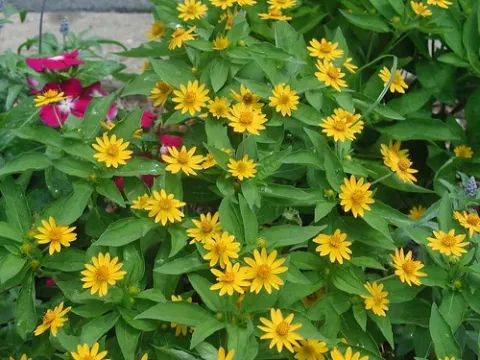
Melampodium diffusum
Melampodium diffusum
Melampodium diffusum is an annual herbaceous plant belonging to the Asteraceae family. In agricultural and horticultural practices, seeds are typically started indoors in late winter or early spring.
What the section contains
Melampodium diffusum
Direct sowing in outdoor fields should only be performed once all risks of frost have passed and soil temperatures have reached at least 15 degrees Celsius.
Seeds require light for germination, so they should be surface-sown with a very fine layer of substrate. Maintaining high humidity during the initial germination phase is essential for success.
When transplanting seedlings, spacing should be carefully managed, typically allowing 20–30 cm between plants to ensure optimal development of the lateral branches.
Ensuring that the seedbed is well-prepared and weed-free before sowing helps in establishing a strong, healthy crop early in the growing season.
The crop thrives in full sun exposure. While it is adaptable, partial shade can lead to a significant decrease in flowering density and structural vigor.
Soil requirements include well-draining, loamy substrates with moderate fertility. Avoiding heavy clay soils is crucial to prevent root zone suffocation and waterlogging.
The plant demonstrates remarkable heat tolerance and moderate drought resistance once fully established, making it suitable for hot climates.
Regular but controlled irrigation is recommended. Water should be applied at the base of the plant to keep the foliage dry and reduce the risk of fungal infections.
Minimal fertilization is required, but a balanced slow-release fertilizer at the beginning of the growth cycle can support a sustained bloom period.
The most significant threats to Melampodium diffusum include powdery mildew, especially during periods of high humidity and poor air circulation.
Insect pests, such as aphids and spider mites, can cause damage to tender new growth. Integrated pest management practices are recommended to minimize losses.
Root rot is a common issue caused by overwatering or poorly drained soils. Improving soil structure through organic matter integration is an effective preventative measure.
Monitoring the planting area for early signs of infection is vital. Removing affected parts of the plant immediately can prevent the spread of diseases to neighboring specimens.
Adhering to proper spacing guidelines is the most effective way to improve airflow and significantly lower the prevalence of common garden pathogens.