
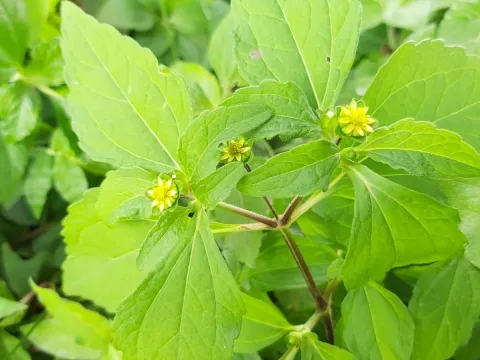
Melampodium costaricense
Melampodium costaricense
Melampodium costaricense is a member of the Asteraceae family, native to the tropical landscapes of Costa Rica. This herbaceous species is characterized by its spreading growth habit and vibrant yellow flowers that bloom throughout the growing season.
What the section contains
Melampodium costaricense
In terms of botany, the plant possesses pubescent leaves that aid in transpiration control in its native humid environment. Its architecture allows it to function effectively as a ground cover or as a bedding plant in managed agricultural settings.
Soil requirements for this species are centered on well-draining, nutrient-rich mediums. It thrives in soils with moderate organic matter content, while heavy, compacted clays should be avoided to prevent root suffocation and subsequent decay.
The climate requirements for Melampodium costaricense are strictly tied to high light intensity and warm temperatures. It lacks frost tolerance and performs best when exposed to direct sunlight for the majority of the day, which maintains its structural integrity.
A maintenance program includes consistent irrigation, particularly during dry spells, to support rapid growth and flower production. Proper spacing during planting is also essential to ensure adequate air circulation around the canopy.
Fungal pathogens represent the primary threat to Melampodium costaricense, particularly powdery mildew, which can become prevalent if the foliage remains wet for extended periods or if air circulation is insufficient.
Insect pests such as aphids and spider mites are commonly observed. These pests feed on sap, causing stunted development and leaf chlorosis, which can significantly reduce the overall productivity and aesthetic value of the planting.
Disease management strategies focus on cultural practices such as selecting well-ventilated sites and ensuring proper distance between individual plants. This prevents the microclimate around the plant from becoming too humid.
When chemical interventions are necessary, integrated pest management (IPM) protocols should be followed. Using selective insecticides helps manage populations of aphids without severely impacting beneficial predator insects in the field.
Root health is crucial; therefore, avoiding over-irrigation is the first line of defense against soil-borne pathogens. Monitoring for early signs of wilting or discoloration allows for timely intervention before localized infections become systemic.