
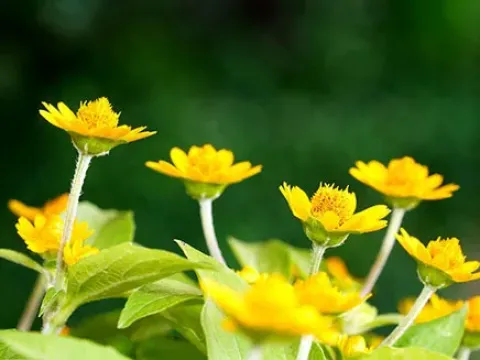
Melampodium
Melampodium hybrids
Melampodium hybrids belong to the Asteraceae family. These are popular low-maintenance annual plants widely used for garden borders and container gardening.
What the section contains
Melampodium
Seeds should be sown indoors in March or early April. They require light to germinate, so they should be covered only lightly with a fine layer of growing medium.
Maintaining a temperature of +20...+22°C (68-72°F) is essential for uniform germination. Seedlings typically emerge within 10 to 14 days under proper moisture conditions.
Seedlings should be transplanted into individual pots after they develop their first set of true leaves. Adequate light exposure is necessary during this stage to prevent weak, leggy stems.
Transplanting into the garden bed should only occur once all danger of frost has passed and the soil has warmed up, as these plants thrive in heat.
Melampodium thrives in full sun locations. While it can tolerate partial shade, the best blooming performance is observed in areas with at least 6-8 hours of direct sunlight.
The plants are adaptable to various soil types but perform best in well-drained, fertile loamy soil. Good drainage is critical to avoid root rot.
Watering should be consistent but moderate. Although these plants are highly heat-tolerant, providing extra water during extreme heatwaves will keep them looking lush.
Fertilizing with a balanced liquid fertilizer every few weeks promotes continuous blooming throughout the growing season.
Deadheading or trimming the plants occasionally helps maintain a tidy shape and encourages the production of new flower buds.
Melampodium is generally robust and resistant to most common garden diseases. Providing adequate spacing between plants ensures good air circulation, reducing risks.
In excessively humid or stagnant environments, powdery mildew can occur. Fungicides can be applied if symptoms are detected to prevent further spread.
Spider mites are the most common pest, especially during hot and dry summer months. Inspecting the undersides of leaves regularly is highly recommended.
Aphids might occasionally colonize new growth. If observed, a gentle spray of water or insecticidal soap is usually effective at managing the population.
Maintaining a clean garden environment by removing debris helps in preventing potential infestations and keeping the plants healthy.