
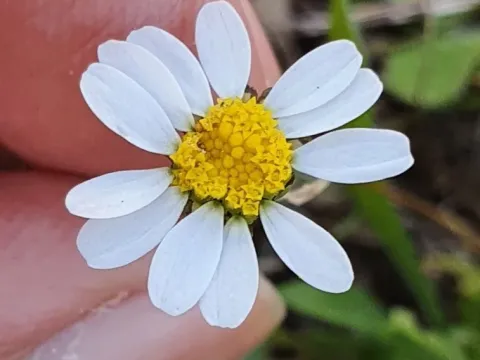
Mauranthemum
Mauranthemum
Sowing Mauranthemum seeds is ideally performed in early spring when the soil starts to warm up. For regions with cooler climates, starting seeds indoors in late winter ensures a head start and longer flowering period.
What the section contains

Mauranthemum
Use a high-quality, well-draining seed starting mix to ensure the delicate seedlings get the best possible start. Press the seeds lightly into the surface, as they require light for optimal germination.
Maintaining a constant temperature between 18 and 20 degrees Celsius is critical for uniform germination. Keep the soil surface moist using a fine mist spray to avoid washing away the seeds.
Once the seedlings have developed two sets of true leaves, they should be transplanted into individual containers. This process, known as pricking out, helps build a robust root system for the plants.
Hardening off is a necessary step before moving the plants to their permanent outdoor location. Gradually acclimatize the seedlings to outdoor conditions over a week to prevent transplant shock.
Mauranthemum belongs to the Asteraceae family and thrives in full sun. It requires at least six hours of direct sunlight daily to produce high-quality, vibrant blooms throughout the season.
Well-drained soil is non-negotiable for this plant. If your soil is heavy clay, incorporate organic matter such as compost or peat to improve drainage and aeration, creating an ideal environment.
Watering should be balanced; while the plant is somewhat drought-tolerant, consistent moisture during the blooming phase promotes larger flowers. Avoid waterlogging at all costs to prevent root rot.
Apply a balanced fertilizer during the vegetative growth phase to support foliage development. Switch to a phosphorus-rich formula as the buds start to form to maximize the quantity and size of blooms.
Space the plants approximately 20 to 30 centimeters apart. Proper spacing is essential to ensure adequate airflow, which is a major factor in reducing the risk of fungal infections in the garden.
Fungal diseases are the primary threat, especially in humid or rainy environments. Powdery mildew can affect the leaves, appearing as a white dusting; manage it with fungicides and by improving spacing.
Root rot is often a result of overwatering or poor drainage. To avoid this, always monitor soil moisture levels and ensure the growing medium has plenty of perlite or sand for effective water drainage.
Aphids can be a common pest, clustering on young, succulent stems. Use insecticidal soaps or neem oil to control outbreaks without harming the surrounding beneficial insect population in the garden.
Spider mites thrive in hot, dry conditions and can cause stippling on the foliage. Regularly misting the plants or increasing local humidity can help deter these pests from settling on the plant tissue.
Effective sanitation, including the prompt removal of debris and dead plant material, is the best preventative strategy against disease transmission and pest colonization in your flower beds.