
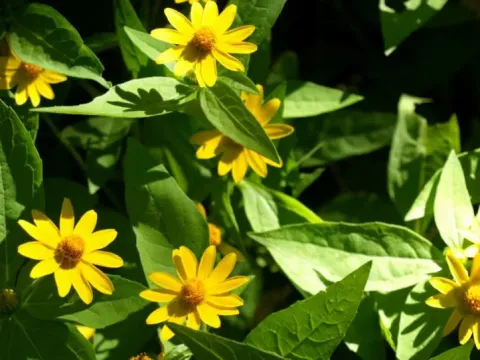
Melampodium arvense
Melampodium arvense
Melampodium arvense belongs to the Asteraceae family and is recognized as a hardy herbaceous plant. It is often studied both as a wild species and for its potential utilization in varied agricultural landscapes.
What the section contains
Melampodium arvense
The sowing process typically commences in early spring when soil temperatures reach stable levels. Proper seed placement at a depth of 1–2 cm is essential to ensure uniform emergence in well-prepared seedbeds.
Optimizing row spacing allows for better aeration and access to sunlight, which are critical factors for the plant's early development phases. A balanced planting density prevents resource competition within the crop stand.
Seeds possess high vigor, which enables the plant to establish itself quickly in competitive environments. However, consistent moisture availability during the germination period is recommended for best results.
Mechanical sowing equipment should be calibrated to minimize seed loss and ensure precise depth control during planting operations.
This crop thrives in well-drained soil environments. While it can adapt to various soil types, loamy soils that provide a mix of moisture retention and aeration are considered optimal for biomass production.
Melampodium arvense is highly light-demanding. Exposure to full sun is necessary to stimulate metabolic processes and support robust vegetative growth and subsequent flowering.
Water requirements remain moderate throughout the life cycle. While the plant can withstand short periods of dry conditions, stable moisture levels during the peak growing season improve yield quality.
Fertilization regimes should focus on providing essential macronutrients such as nitrogen and phosphorus. Nitrogen application is particularly effective during the vegetative growth phase.
Routine field maintenance, including inter-row cultivation, is necessary to minimize weed interference and improve soil oxygen exchange for the root system.
Fungal pathogens such as powdery mildew represent the primary disease threat, particularly in regions with high relative humidity and poor air circulation within the field.
Invertebrate pests, including aphids and spider mites, are known to target young leaves. Their feeding activities can cause significant stress, resulting in stunted growth or deformed foliage.
Integrated Pest Management (IPM) strategies, including biological control agents and selective chemical intervention, are recommended for controlling pest populations during critical growth stages.
Preventative measures against diseases involve the use of disease-free planting material and rigorous cleaning of agricultural equipment to prevent the spread of soil-borne pathogens.
After-harvest management involves the removal of crop residues, which serves to reduce the survival of overwintering pest populations and pathogen spores in the soil.