
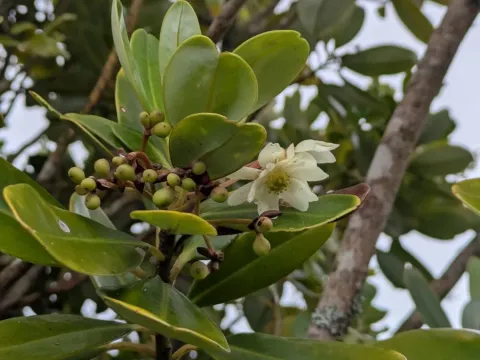
Drimys granadensis
Drimys granadensis
Drimys granadensis is a notable evergreen tree or shrub belonging to the Winteraceae family. Native to the mountainous cloud forests of Central and South America, it thrives in high-altitude environments characterized by consistent moisture and moderate temperatures.
What the section contains
Drimys granadensis
From an agronomic perspective, this species requires nutrient-rich, well-draining soil with a slightly acidic pH level to ensure proper nutrient uptake. It prefers shaded or semi-shaded locations, as intense direct sunlight can stress the foliage and negatively impact the production of aromatic secondary metabolites.
The botanical structure of the plant includes leathery leaves and distinctive flowers, which are typical for the family. In agricultural practices, it is essential to mimic its natural montane habitat, maintaining consistent humidity levels while preventing the waterlogging of the root zone, which the plant does not tolerate.
Climatic requirements are strict: the crop performs best in cool tropical highland climates where the temperature remains stable between 15°C and 22°C. Avoiding frost is crucial, as the plant lacks the hardening required to survive freezing temperatures, making site selection critical for long-term production.
Industrially, Drimys granadensis is valued for its bark, which is often used as a sustainable alternative to cinnamon or for pharmaceutical extracts due to its antimicrobial properties. Future cultivation efforts focus on sustainable harvesting methods that do not compromise the tree's health or longevity.
The primary threats to this crop involve pathogenic fungi, particularly those affecting the root system, such as Phytophthora species. Proper irrigation management, utilizing drip systems, and ensuring adequate soil aeration are the most effective prophylactic measures against these soil-borne diseases.
Insects like scale insects and mealybugs can occasionally infest the foliage, particularly in greenhouse or sheltered conditions. Integrated pest management, focusing on the introduction of beneficial predatory insects or the application of organic neem-based sprays, is recommended to keep pest populations at bay.