
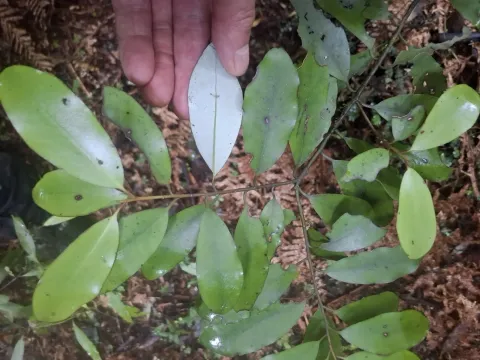
Pseudowintera
Pseudowintera Dandy.
Pseudowintera is a genus of evergreen shrubs and small trees within the Winteraceae family. Native to New Zealand, these plants occupy specific ecological niches in temperate rainforests, known for high humidity and mild environments.
What the section contains

Pseudowintera
The climate requirements involve avoiding temperature extremes. Pseudowintera prefers sheltered locations where frost risks are minimal and humidity levels remain consistently high throughout the growing season.
Soil management for this culture demands rich, acidic, and well-draining soils. Improving the substrate with organic compost or leaf mold is recommended to mimic the nutrient-dense forest floor conditions where it naturally occurs.
Light exposure should be carefully managed; full sun is usually detrimental to the foliage, causing leaf scorch. Dappled shade or filtered light is the optimal environment for maintaining healthy plant development.
Routine maintenance includes keeping the soil moisture consistent. Using mulch around the base of the plant helps to regulate soil temperature and ensures the roots stay cool during warmer months.
Due to the presence of sesquiterpenoids such as polygodial, Pseudowintera is naturally resistant to many herbivorous insects. This compound gives the plant a peppery taste, acting as an effective natural deterrent.
Root rot, specifically caused by Phytophthora, remains the primary threat if the drainage is insufficient. Keeping the soil from becoming waterlogged is essential for long-term health and disease prevention.
Powdery mildew may occur in enclosed or poorly ventilated growing environments. This fungal disease impacts the aesthetic and physiological state of the leaves, requiring prompt action with systemic fungicides or improved airflow.
While major pest infestations are rare, occasionally aphids or spider mites may appear on young growth in greenhouse settings. Integrated pest management should be used to protect the integrity of the plant tissue.
Proper sanitation, including the regular removal of dead branches and debris from the base of the plant, reduces the risk of fungal spores spreading and ensures the health of the crop.