
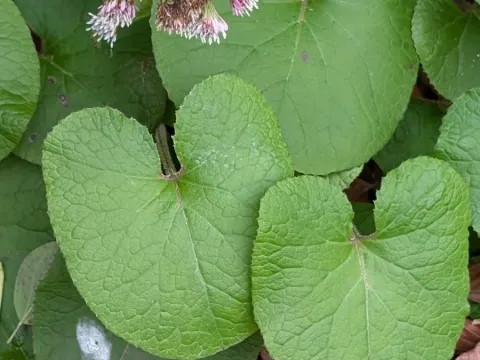
Winter heliotrope
Petasites pyrenaicus
Winter heliotrope (Petasites pyrenaicus) is a perennial flowering plant belonging to the Asteraceae family. It is native to the Mediterranean region and parts of Southern Europe, typically inhabiting damp meadows and woodlands.
What the section contains
Winter heliotrope
The crop thrives in moist, humus-rich soils with good drainage capacity. It is an ideal plant for semi-shaded areas, as direct scorching sun can negatively impact its large, characteristic foliage.
Regarding climatic needs, this plant prefers mild winters and cool, humid growing seasons. It is relatively frost-tolerant but benefits from mulch cover in regions with severe soil freezing.
The agrotechnical management of this plant involves ensuring a consistent water supply during the vegetation period. Drought stress is the primary factor limiting the growth and leaf size of the plant.
Due to its vigorous rhizomatous growth, the plant requires proper spacing or physical root barriers to prevent it from outcompeting other vegetation in the landscape or field.
Winter heliotrope is generally resistant to most common garden pests, which makes it a relatively low-maintenance crop under appropriate environmental conditions.
However, it is susceptible to fungal infections such as powdery mildew, especially in sites with poor air circulation or extended periods of high humidity.
Garden slugs and snails are the main invertebrate threats, particularly during the early spring when the young shoots emerge from the soil after the winter dormancy.
Root rot is a potential risk if the soil remains waterlogged for long periods; therefore, maintaining soil structure is essential for long-term survival.
To minimize disease outbreaks, regular inspection of the leaves and prompt removal of dead biomass are recommended to keep the stand healthy and productive.