
Woodsia manchuriensis
Woodsia manchuriensis
Description
Growing requirements
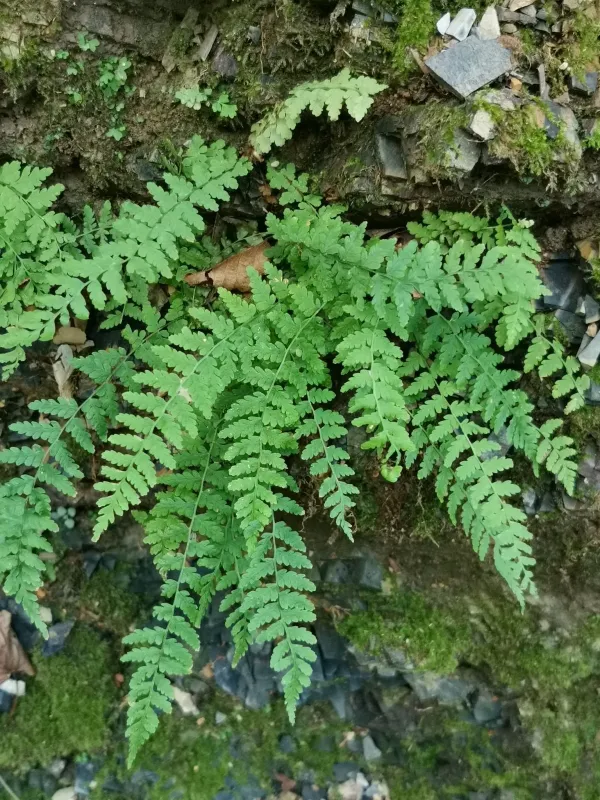
Woodsia manchuriensis is a distinct perennial fern species belonging to the Woodsiaceae family. Native to the rocky slopes of the Far East, including parts of China and Russia, it is prized for its ability to thrive in challenging, stony environments.
Botanically, it forms compact, elegant rosettes of fronds that are well-adapted to surviving in crevices. This species is particularly valued in horticulture for its high cold hardiness, making it an excellent choice for northern or temperate climate gardens.
To succeed with this plant, one must emulate its natural habitat. This means planting it in well-draining, gritty soil mixtures that prevent moisture from accumulating around the rootstock, which is critical to its long-term health.
Light requirements are centered on partial shade. While it can tolerate bright conditions, direct exposure to harsh afternoon sun is generally detrimental, leading to dehydration and potential scorching of the delicate, fine-textured fronds.
Maintenance involves ensuring the soil remains cool and slightly moist. During periods of active growth, supplemental watering may be needed, but it must be applied judiciously to ensure the substrate remains moist without becoming waterlogged.
Main diseases and pests
Woodsia manchuriensis is generally robust and free from serious disease outbreaks when cultivated under appropriate conditions. Its primary health issues are almost exclusively related to environmental stressors or improper site selection.
Root rot is the most common threat, usually triggered by stagnant water in heavy or compacted soils. Ensuring the site has excellent drainage and that the crown of the plant is slightly elevated helps mitigate this issue significantly.
Slugs and snails can present a challenge during wet spring months, as they are attracted to the fresh, emerging fronds. Using gravel mulch around the plant base acts as a natural deterrent, making it difficult for these mollusks to reach the foliage.
In containerized or indoor setups, the fern might occasionally encounter spider mites if the humidity drops too low. Ensuring adequate air circulation and proper humidity levels will keep the plant vigorous and resistant to such pests.
Good garden hygiene, such as removing debris and preventing weeds from crowding the fern, supports overall plant vitality. A well-placed plant in a suitable microclimate will typically require very little chemical intervention to remain healthy.