
Wimmera ryegrass
Lolium subulatum
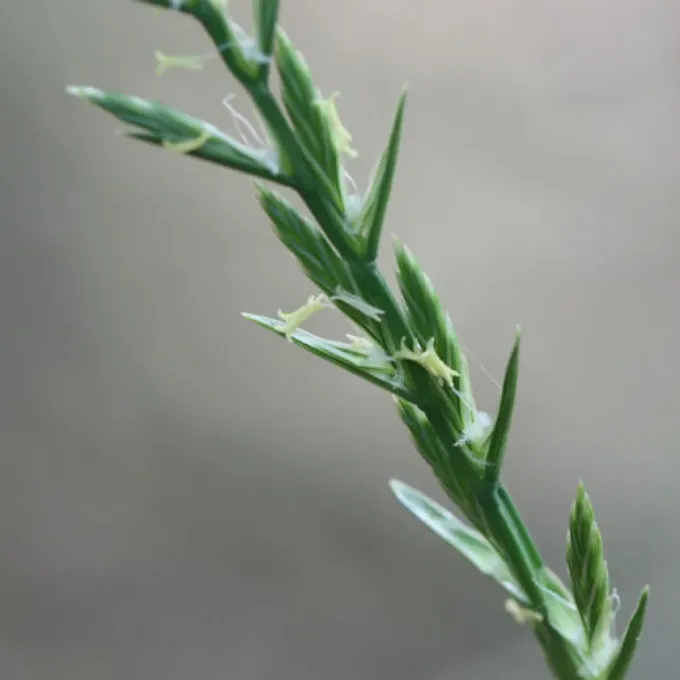
Description
Sowing dates
The optimal sowing time for Wimmera ryegrass (Lolium subulatum) is early autumn or spring, depending on the climatic zone and rainfall patterns of the region.
Seeds should be drilled into a prepared seedbed at a shallow depth, typically no more than 1–2 centimeters, to ensure consistent and rapid germination.
Maintaining an appropriate sowing density is crucial for establishing a competitive sward that can effectively suppress weeds in the early stages of growth.
Seed quality should be verified prior to planting, with emphasis on high germination rates and freedom from harmful seed-borne pathogens.
Precision sowing machinery is recommended to ensure uniform distribution of seeds, which facilitates even maturity and simplified harvest procedures.
Growing requirements
Wimmera ryegrass belongs to the Poaceae family and is recognized for its adaptability to varying soil types, including those with moderate salinity.
It prefers well-drained soils and thrives in environments where sunlight is abundant, as shade can significantly impede its tillering potential.
The plant demonstrates good tolerance to dry conditions but reaches peak productivity under conditions of adequate moisture and mild temperature ranges.
Fertilization management, particularly the application of nitrogen, plays a significant role in promoting vegetative growth and improving the overall forage quality.
Strategic grazing or cutting schedules are essential to manage the growth cycle, ensuring that the plant remains in a vegetative phase for as long as possible.
Yield
The total yield of Wimmera ryegrass is heavily influenced by soil fertility, moisture availability, and the intensity of nutrient management throughout the season.
With proper agronomic oversight, this crop provides high-quality forage rich in protein, making it an excellent choice for livestock feed programs.
Irrigation can drastically increase biomass output, especially in regions prone to seasonal droughts, allowing for multiple harvests within a single year.
High yields are typically achieved when the crop is integrated into balanced rotation systems, ensuring the soil profile maintains necessary micronutrient levels.
Productivity metrics improve significantly when the sward is kept vigorous through timely nutrient top-dressing after each significant defoliation event.
Main diseases and pests
Common fungal diseases, including rust and leaf spot, represent the primary biological threats to the crop, especially under high humidity conditions.
Insect pests, such as aphids and cereal flies, can cause significant damage to young plants, potentially reducing stand density during the establishment phase.
Integrated pest management (IPM) strategies, including crop rotation and the use of resistant varieties, are essential for maintaining a healthy and productive crop.
Chemical intervention should only be utilized after carefully assessing the economic threshold for pest or disease damage in the field.
Monitoring the sward for symptoms of nutrient deficiency or stress is crucial for preventing susceptibility to opportunistic pathogenic infections.
Harvesting
Harvesting for forage is most effective when the plants are in the early flowering or booting stage to maximize both yield and nutritional density.
If the goal is seed production, harvest should be timed carefully to occur during the mid-to-late physiological maturity stage to minimize shattering losses.
Mechanical harvesting techniques, such as using swathers and pick-up balers, help preserve the quality of the harvested biomass for storage.
Proper curing and drying processes are necessary to prevent the development of mold, which can degrade the nutritional value and safety of the forage.
Managing the stubble height during harvesting ensures that the root system remains protected and can support rapid regrowth for future production cycles.