
Tetrastigma formosana
Tetrastigma formosana
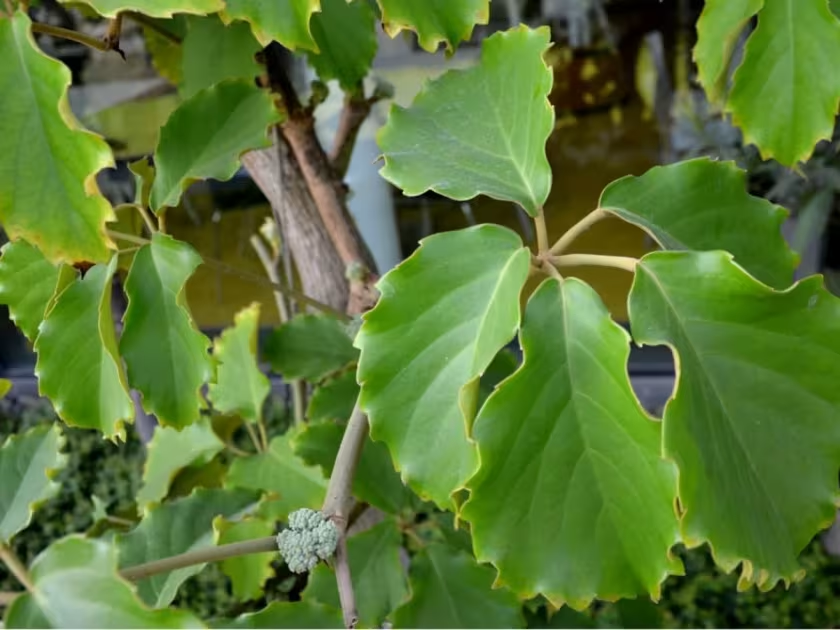
Description
Growing requirements
Tetrastigma formosana is a vigorous climbing vine belonging to the Vitaceae family, native to the subtropical regions of Taiwan. It is highly valued in horticulture for its rapid growth rate and ability to create dense, lush foliage covers on vertical structures.
The plant thrives in warm, humid climates and requires consistent temperatures to maintain active growth. It is typically cultivated in greenhouses or temperate conservatories where environmental conditions can be strictly monitored and optimized for its development.
Soil requirements for this species include a well-draining, nutrient-rich medium with a slightly acidic to neutral pH. Proper soil composition is essential to prevent waterlogging, which the plant is highly sensitive to, especially during the dormant season.
Tetrastigma formosana prefers bright, indirect sunlight. While it can adapt to partial shade, providing enough light is critical for maintaining the plant's structural integrity and preventing the stems from becoming thin and elongated due to etiolation.
Agricultural management involves providing a sturdy trellis or support system, as the vine develops heavy woody stems over time. Regular pruning is recommended to encourage branching and to manage the spread of the plant within restricted garden spaces.
Main diseases and pests
Spider mites are the most common pest problem for Tetrastigma formosana, especially in environments with low air humidity. They thrive on the underside of the leaves and can cause significant foliage discolouration if not controlled early.
Scale insects can also infest the stems and leaves, extracting plant sap and weakening the vine. Manual removal or the application of horticultural soaps is effective for smaller infestations, while severe cases require systemic insecticides.
Root rot is a major threat caused by poor soil drainage and over-irrigation. This condition often leads to the wilting of leaves despite moist soil, and if left untreated, it can result in the rapid decline and death of the entire plant.
Fungal infections such as powdery mildew can occur during periods of high humidity and poor ventilation. Ensuring adequate airflow around the plant is the best cultural practice to prevent the germination and spread of fungal spores on the leaves.
Leaf spot diseases, often caused by bacterial or fungal pathogens, may manifest as necrotic patches under cool and wet conditions. Effective management involves removing and destroying infected plant material to minimize the risk of spreading the disease to healthy parts.