
Tetrastigma leucostaphylum
Tetrastigma leucostaphylum
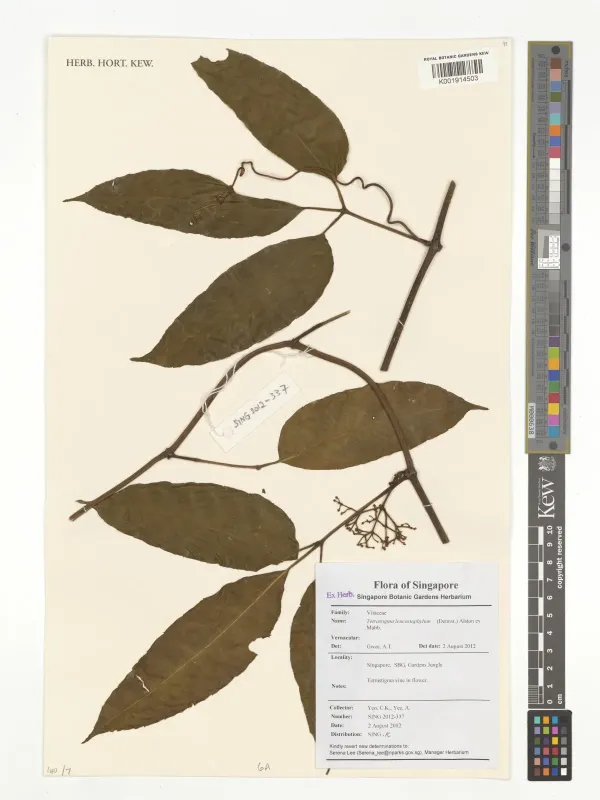
Description
Growing requirements
Tetrastigma leucostaphylum is a vigorous woody vine belonging to the Vitaceae family. Originating from the tropical forests of Southeast Asia, this plant is well-known for its impressive growth rate and lush foliage, making it a prominent feature in its native ecosystem.
Botanically, the plant features compound palmate leaves with a leathery texture and deep green coloration. It utilizes specialized tendrils to climb and support its massive stems, which can reach great heights when provided with appropriate structures.
In terms of climatic needs, this species thrives in warm, humid conditions with temperatures consistently between 20 and 28 degrees Celsius. It requires protection from frost and cold drafts, making it most suitable for greenhouse cultivation or controlled indoor environments.
Soil requirements involve a well-draining, nutrient-rich substrate. The root system is sensitive to waterlogging; therefore, the potting mix or soil must allow for excellent air circulation while retaining enough moisture to support active growth during the season.
Light levels should be bright and diffused to prevent leaf scorch while ensuring sufficient energy for photosynthesis. Consistent fertilization and adequate watering are critical factors in the management of this species to achieve optimal biomass development.
Main diseases and pests
The primary pests affecting Tetrastigma leucostaphylum are spider mites and scale insects. These pests often proliferate in environments with low air humidity, particularly during the winter months, leading to leaf drop and stunted growth.
Fungal issues, such as root rot and powdery mildew, represent the most common pathological threats. These diseases are typically triggered by poor drainage, overwatering, or insufficient air movement within the plant's canopy.
Management strategies focus on maintaining optimal environmental hygiene and utilizing biological or chemical control agents when necessary. Regular leaf inspection is essential for the early detection of any pest colonies hiding on the undersides of the foliage.
Prophylactic measures include pruning damaged sections and ensuring that the plant is not kept in waterlogged conditions. Proper spacing and airflow between plants significantly reduce the risk of spreading fungal spores throughout the growing area.
In cases of severe infestation, systemic insecticides or fungicides are applied according to the manufacturer's recommendations. Strengthening the plant's health through balanced mineral nutrition is the best long-term strategy for preventing disease outbreaks.