
Tetrastigma umbellata
Tetrastigma umbellata
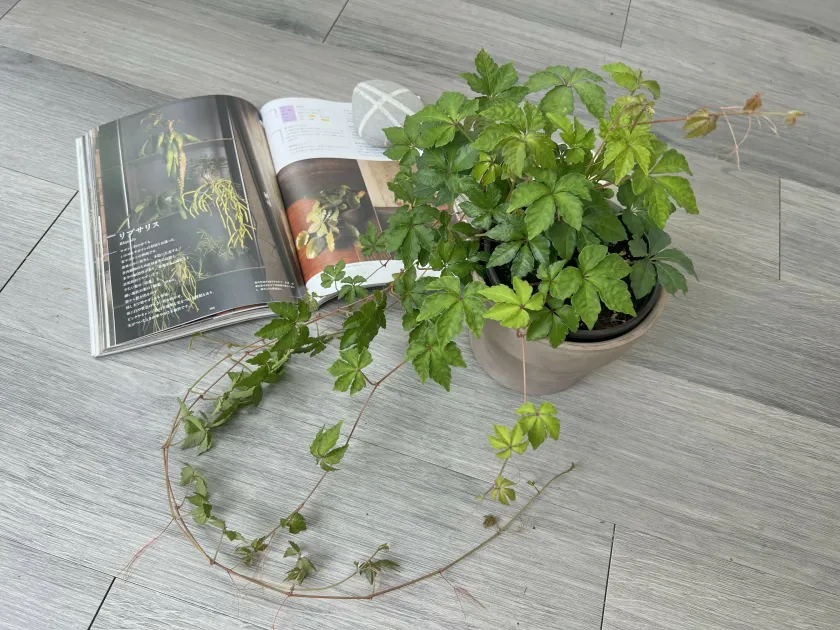
Description
Growing requirements
Tetrastigma umbellata is a vigorous, evergreen, woody vine belonging to the Vitaceae family. It is native to the tropical forests of Southeast Asia, where it climbs trees to reach sunlight.
This species requires bright, indirect light for optimal development. Intense direct sunlight can scorch its large, palmately compound leaves, so shade cloth is often necessary in greenhouse settings.
The ideal temperature range is between 18 and 25 degrees Celsius. During the dormant winter period, the plant benefits from a slight reduction in temperature, which helps in preparing for the spring growth flush.
Soil requirements involve a well-draining, nutrient-rich substrate. A standard mix including loam, peat, and coarse sand or perlite works best to prevent moisture accumulation around the root system.
High relative humidity is essential for the health of this vine. Regular misting and the use of humidifiers are recommended, especially in environments where central heating lowers the air quality.
Main diseases and pests
Spider mites are the most common pest affecting Tetrastigma umbellata, especially when the indoor air is too dry. They feed on the sap and cause yellowing and necrosis of the leaves.
Scale insects and mealybugs can also pose a significant threat. These pests typically congregate on the stems and near leaf nodes, requiring manual removal or systemic insecticides for control.
Root rot is a critical risk associated with waterlogged soil. It is imperative to ensure that the pot has large drainage holes and that the plant is not left sitting in water.
Fungal leaf spot diseases may appear if the foliage remains damp for prolonged periods without adequate air circulation. Keeping the leaves clean and dry is a vital preventative measure.
Integrated pest management, including regular inspection and maintaining optimal environmental conditions, is the most effective way to protect the plant from infestations and diseases.