
Tetrastigma rumiciperdum
Tetrastigma rumiciperdum
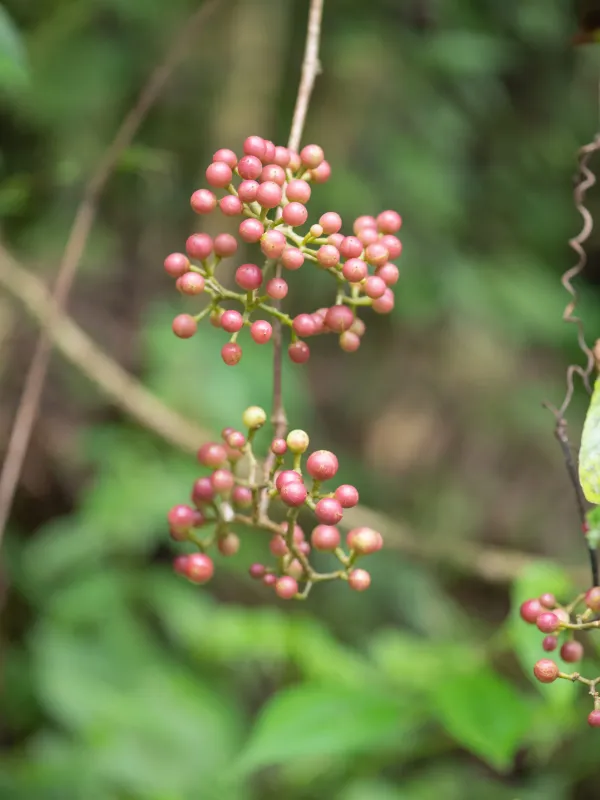
Description
Growing requirements
Tetrastigma rumiciperdum is a robust woody climber belonging to the Vitaceae family. Native to the tropical regions of Southeast Asia, this species is noted for its vigorous growth and rapid development of aerial biomass.
The plant thrives in warm, humid conditions with stable temperatures. In a cultivation environment, it requires a well-draining, nutrient-rich potting mix that prevents waterlogging while maintaining sufficient moisture levels for the root system.
Botanically, this species is defined by its strong tendrils, which allow it to climb vertical structures. The leaves are typically large and compound, requiring ample space to fully expand and photosynthesize effectively.
Lighting requirements are high; while it prefers bright, indirect light, it should be protected from harsh, direct sunlight that can scorch its leaves. Adequate light exposure is essential for maintaining the plant's health and structural integrity.
Agrotechnical maintenance involves regular pruning to manage its aggressive spread. Providing sturdy support systems is vital, as the weight of the vine can become significant during its mature growth phase.
Main diseases and pests
Spider mites are the most common pests affecting Tetrastigma rumiciperdum, especially in indoor or greenhouse environments where humidity levels may fluctuate. Regular monitoring of leaf undersides is critical.
Root rot is a major threat caused by poor drainage or excessive watering. Ensuring that the substrate remains aerated is the most effective preventative measure against fungal pathogens that attack the root zone.
Mealybugs can often be found in the leaf axils, causing stunted growth and yellowing. If an infestation occurs, horticultural oils or systemic insecticides should be applied to manage the population.
Leaf spot diseases can occur if there is stagnant air and high humidity. Improving airflow around the plant canopy significantly reduces the risk of these infections and promotes healthier foliage.
Nutritional deficiencies, specifically nitrogen or iron, can cause chlorosis. Implementing a balanced fertilization schedule during the active growing season is recommended to maintain optimal plant vigor.