
Tetrastigma bracteolatum
Tetrastigma bracteolatum
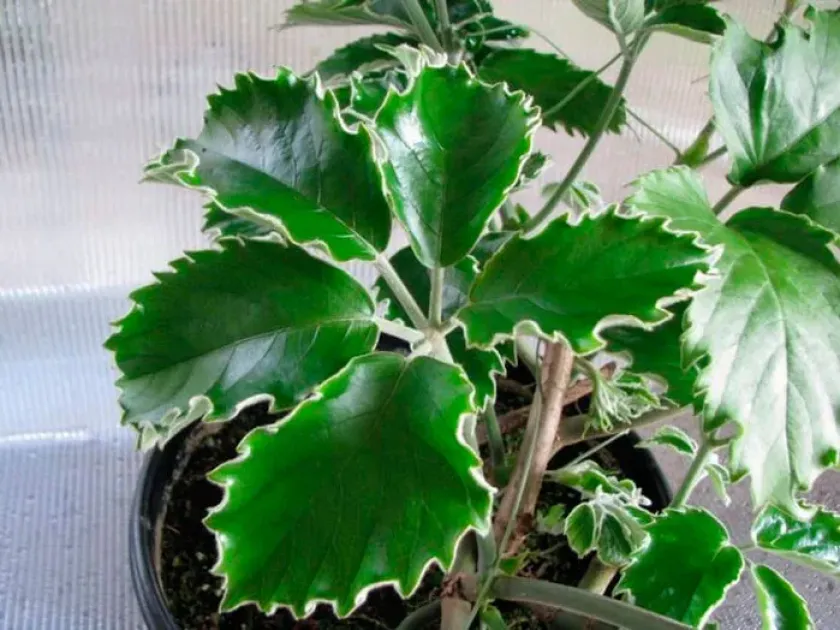
Description
Growing requirements
Tetrastigma bracteolatum is a notable woody vine belonging to the Vitaceae family. Originating from the tropical regions of Southeast Asia, this plant has adapted to thrive in the understory of dense forests, relying on its strong, climbing stems and tendrils to reach towards the canopy for light.
The botanical structure of the plant is defined by its complex, palmate leaves and high vegetative vigor. It is an evergreen climber that features significant woody growth over time, making it an excellent choice for large-scale indoor horticultural projects and vertical structural covering.
Regarding climatic requirements, the plant prefers bright, indirect light to maintain its foliage health. Direct sunlight can scorch the leaves, so careful placement near windows with filtered light is essential for success. It thrives in humid conditions and requires protection from cold, dry drafts.
Soil management for this culture involves using a well-draining, nutrient-rich potting medium. A mixture based on loam and organic matter is typically recommended to provide the necessary support for its aggressive root system. Consistent watering is vital, especially during the active growth phase, ensuring the substrate remains moist but not waterlogged.
The primary horticultural application of Tetrastigma bracteolatum is decorative vertical gardening. Due to its size and rapid growth rate, it is highly valued by landscape architects and interior designers for transforming expansive indoor spaces into lush, green environments, effectively acting as a living wall element.
Main diseases and pests
The most common pests affecting this species are spider mites and scale insects, which often appear in low-humidity environments. Maintaining high humidity levels and inspecting the foliage regularly for signs of infestation are critical steps for effective pest control.