
Tetrastigma serrulatum
Tetrastigma serrulatum
Description
Growing requirements
Tetrastigma serrulatum is a robust woody vine belonging to the Vitaceae family, native to the subtropical regions of East Asia. It is widely recognized for its fast growth rate and its ability to climb using specialized tendrils, which makes it a popular choice for vertical gardening.
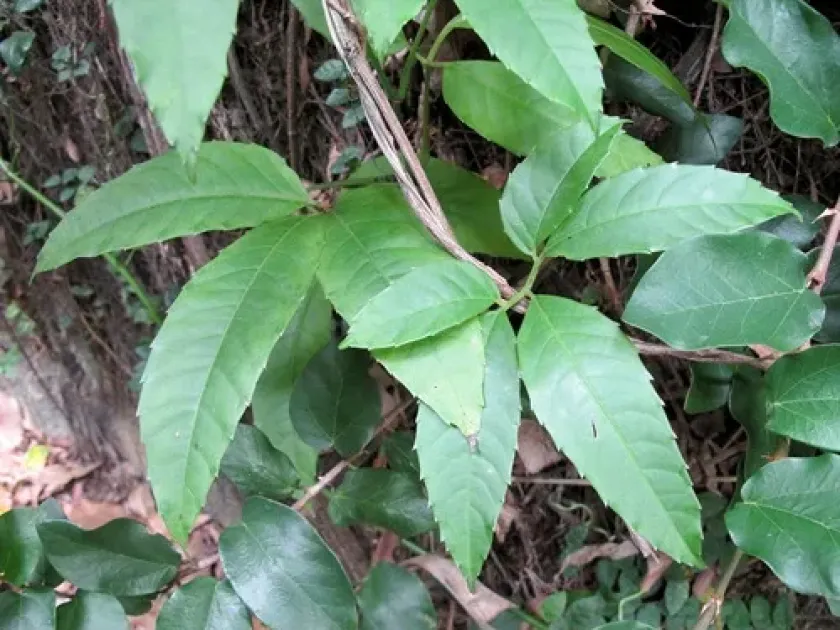
Botanically, the plant features palmately compound leaves with distinct serrated margins. As a climber, it relies on dense foliage to cover its structural support, creating an impressive green canopy in both indoor and outdoor settings within suitable climatic zones.
Regarding climatic requirements, this plant thrives in warm, humid environments. It prefers bright, indirect light, as direct scorching sunlight can damage the leaves. Maintaining a stable ambient temperature is essential to ensure healthy development throughout the active growing season.
Soil management is crucial for the cultivation of Tetrastigma. The substrate must be fertile, well-aerated, and possess excellent drainage properties. A heavy or waterlogged soil profile will lead to rapid root degradation, making a porous mixture highly recommended for containers.
The primary horticultural application of this species is ornamental. It is frequently utilized in professional interior landscaping, conservatory designs, and large-scale vertical greening projects where a rapid, large-scale vegetative cover is desired for aesthetic impact.
Main diseases and pests
Spider mites are the most common pests, particularly in environments where humidity levels are not consistently maintained. Infestations lead to stippling on the leaves, which can be mitigated through misting and the application of specific biological or chemical controls.
Root rot represents the most significant pathological threat to the crop, usually caused by overwatering or inadequate soil aeration. To prevent this, producers must allow the top layer of the substrate to dry between watering sessions and ensure that containers are never left sitting in stagnant water.