
Tetrastigma planicaule
Tetrastigma planicaule
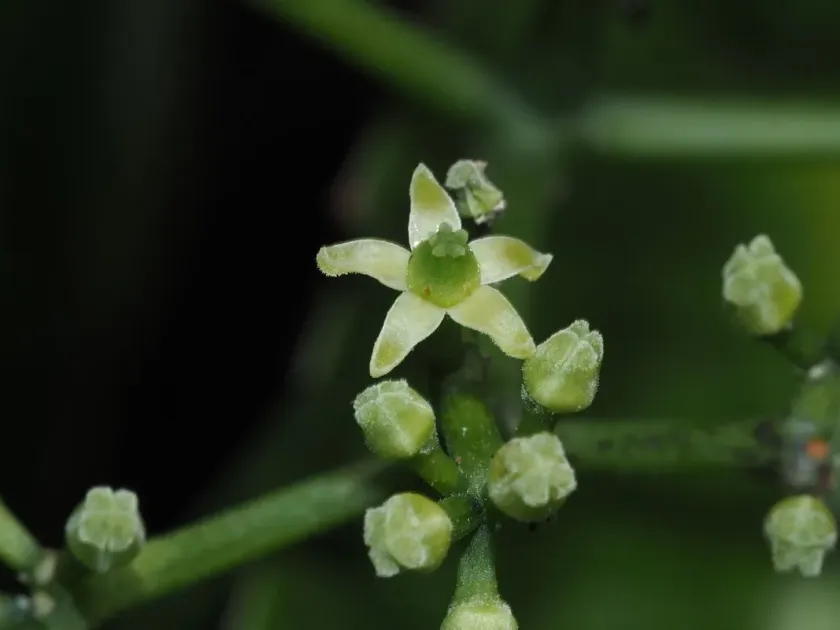
Description
Growing requirements
Tetrastigma planicaule is a robust woody vine belonging to the Vitaceae family. Known for its vigorous growth, it represents a significant botanical curiosity within the grape family group.
The native habitat of this plant encompasses the dense tropical forests of Southeast Asia. It thrives in high-humidity environments characterized by consistent warm temperatures year-round.
For optimal growth, the species requires fertile, well-draining soil that mimics the nutrient-rich forest floor. In agricultural settings, it demands stable temperatures between 22°C and 28°C.
The plant demonstrates high phototropism and requires a structural framework to support its heavy, woody stems. Proper training of the vines is essential for maximizing canopy development.
Watering requirements are stringent: the root zone must remain moist but never waterlogged. High humidity levels, often achieved via misting or controlled greenhouse environments, are crucial for foliage health.
Main diseases and pests
The most prevalent pests affecting Tetrastigma planicaule are spider mites and mealybugs. These pests thrive in dry environments and can cause significant leaf drop if left uncontrolled.
Fungal diseases, primarily root rots caused by overwatering, pose a severe threat to the plant's health. Poor soil aeration exacerbates these risks significantly.
Integrated pest management strategies should include regular inspection of leaf undersides and the maintenance of adequate air circulation to prevent fungal colonization.
When chemical intervention is required, systemic insecticides or fungicides should be applied carefully to ensure complete coverage while protecting the plant's sensitive foliage.
Preventative measures against pathogens involve maintaining a clean growing environment and using sterile potting media during the propagation and replanting phases.