
Leea zippeliana
Leea zippeliana
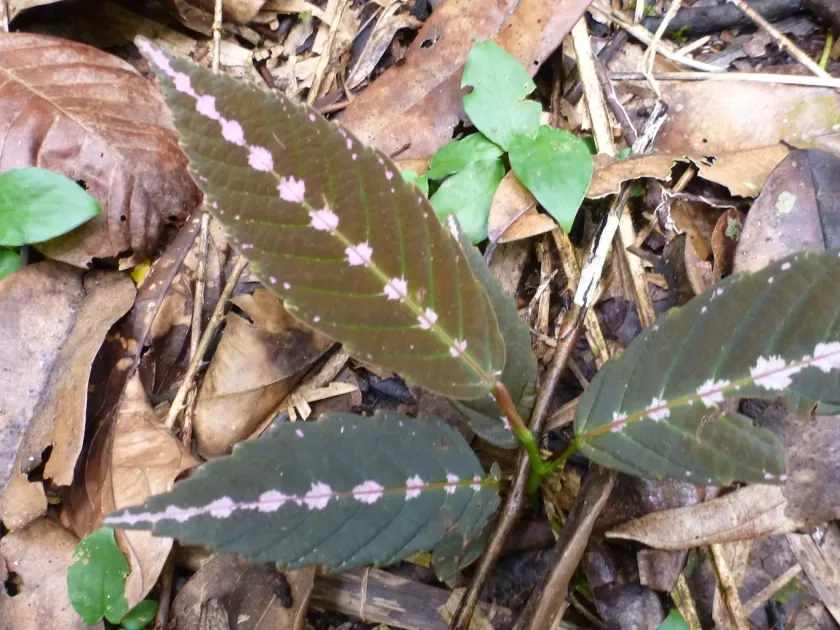
Description
Growing requirements
Leea zippeliana is a distinctive tropical shrub belonging to the Vitaceae family. Native to the lush environments of Southeast Asia, this plant is characterized by its large, compound leaves and robust growth habit, often reaching significant dimensions in its natural forest habitat.
The climatic requirements for this species are strictly tropical. It thrives in environments where temperatures remain consistently between 22 and 28 degrees Celsius. Being highly sensitive to cold, even short exposures to temperatures below 15 degrees Celsius can cause severe physiological stress and growth arrest.
Regarding soil, Leea zippeliana requires a nutrient-rich, well-draining substrate. A mix consisting of organic compost, peat moss, and coarse sand is generally recommended. The pH level should ideally be maintained between 6.0 and 7.0 to ensure optimal nutrient uptake by the root system.
Moisture management is critical for the survival of the plant. It requires consistently high ambient humidity, often exceeding 70 percent. In domestic or greenhouse settings, frequent misting or the use of ultrasonic humidifiers is essential to replicate the natural forest atmosphere.
Lighting should be managed to mimic the understory conditions of its origin. Bright, indirect light is perfect, as it allows for photosynthesis without the risk of leaf scorching. Exposure to intense, direct tropical sun can damage the foliage and result in permanent discoloration.
Main diseases and pests
The primary threats to Leea zippeliana in cultivation are related to improper water management, specifically waterlogging, which often leads to root rot. Pathogens such as Pythium species thrive in soggy conditions and can quickly destroy the plant's root architecture.
Insect pests pose a recurring challenge, particularly mealybugs and scale insects. These pests settle in the nodes and on the undersides of leaves, draining sap and leaving behind honeydew, which can subsequently attract sooty mold fungi.
Integrated Pest Management (IPM) is the most effective way to protect this crop. Early detection is paramount, as the dense foliage of the plant often hides colonies of insects. Manual removal of pests, combined with biological control agents, is preferred over harsh chemical sprays.
Leaf spot diseases, caused by various fungal and bacterial agents, may appear if air circulation is poor. Ensuring adequate space between individual plants and avoiding overhead irrigation in cooler hours significantly reduces the risk of these foliage infections.
Maintaining strong plant vigor through appropriate fertilization is the best defense against threats. A balanced NPK fertilizer applied during the growing season helps the plant develop structural integrity and increases its natural resistance to common biotic stressors.