
Red Leea
Leea rubra
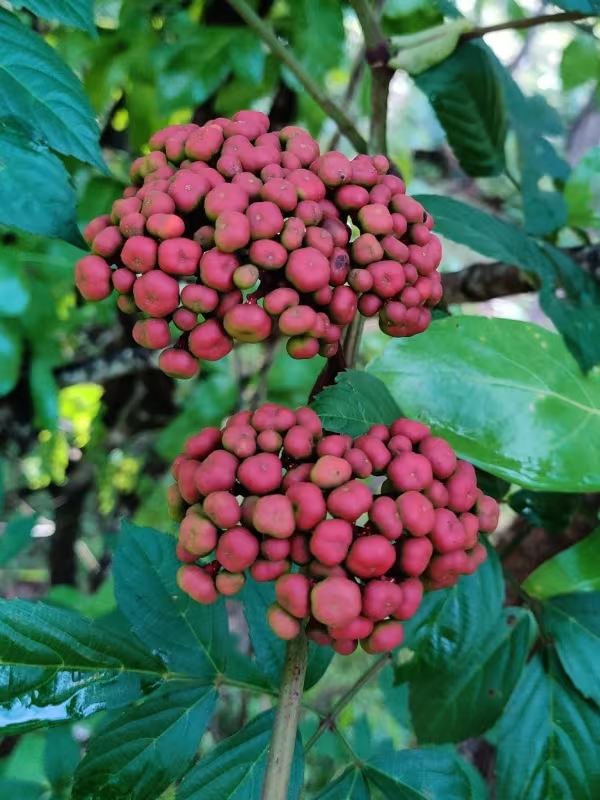
Description
Growing requirements
Red Leea (Leea rubra) is a tropical shrub belonging to the Vitaceae family. It is native to the humid forest regions of Southeast Asia and India, where it thrives in shaded areas with high ambient moisture and stable, warm climatic conditions throughout the year.
The plant requires a strictly controlled temperature environment to maintain optimal growth rates. Ideal conditions range between 22 and 28 degrees Celsius; dropping below 15 degrees Celsius can trigger metabolic dormancy or cause significant damage to the plant's delicate vascular tissues.
High humidity levels are essential for this species. To cultivate it successfully, growers should maintain humidity between 60% and 70%. In commercial greenhouse settings, the use of automated misting systems is recommended to replicate the natural tropical environment of the plant.
Soil requirements focus on high organic content and excellent drainage capacity. A potting mix consisting of peat moss, pine bark, and perlite provides the necessary structure to prevent compaction and ensures that oxygen reaches the root zone efficiently to promote healthy development.
Lighting management is crucial to ensure deep leaf coloration without damaging the foliage. Red Leea performs best under bright, indirect light; using 40–50% shade cloth is standard practice in nurseries to prevent solar damage and maintain the aesthetic quality of the leaves.
Main diseases and pests
Common pests affecting Leea rubra include spider mites and mealybugs, which tend to proliferate in environments with poor air circulation and low humidity. Early detection via visual inspection of the leaf undersides is critical for effective management of these insect populations.
Root rot is the most frequent pathological threat in agricultural settings, usually caused by overwatering or suboptimal drainage. The pathogen Pythium is a common culprit in such conditions, often leading to rapid decline and total plant mortality if not addressed promptly.
Fungal leaf spot diseases can occur if foliage remains wet for extended periods during the night. Improving horizontal airflow through the canopy and adjusting irrigation timing to early morning can significantly reduce the risk of secondary fungal outbreaks.
Nutritional imbalances, such as nitrogen deficiency or micronutrient lockout due to improper pH levels, can manifest as chlorosis on mature leaves. Regular soil testing and balanced fertilization programs are required to maintain plant vigor and foliage color.
Sanitation practices, including the removal of debris and sterilization of propagation equipment, are the most effective ways to mitigate the risk of virus and bacteria transmission. Maintaining a sterile growing environment is essential for high-quality production of Leea rubra.