
Leea alata
Leea alata
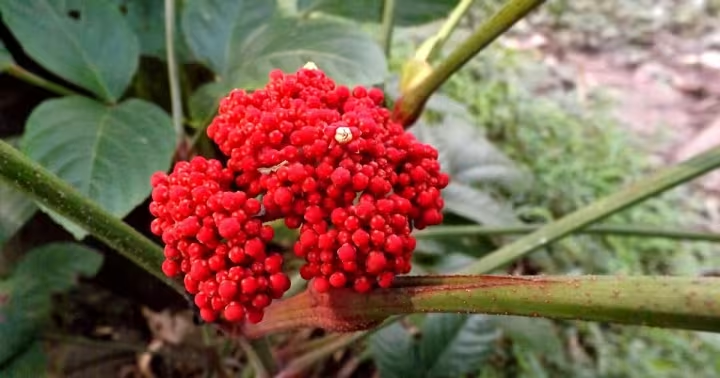
Description
Growing requirements
Leea alata is a member of the Vitaceae family, native to the tropical forests of Southeast Asia. It is valued primarily for its ornamental foliage and unique growth habit in tropical agriculture settings.
The crop requires consistently warm temperatures between 20°C and 28°C. It is highly sensitive to cold stress, and temperatures dropping below 15°C can cause severe physiological damage or plant death.
Cultivation success depends on high-quality, well-draining soil rich in organic matter. The pH level of the substrate should remain within the slightly acidic to neutral range for optimal nutrient uptake.
This species thrives in filtered light conditions, mimicking the shaded environment of its native forest habitat. Excessive direct sunlight can cause leaf scorching and irreversible damage to the canopy.
Humidity management is a critical aspect of Leea alata production. Maintaining ambient humidity levels above 60% is essential for healthy foliage development and overall plant vitality throughout the year.
Main diseases and pests
Spider mites are the most common pests affecting Leea alata in controlled environments. They flourish in low-humidity conditions and require proactive monitoring to prevent widespread leaf infestation.
Mealybugs can also pose a significant threat, colonizing the stems and leaf undersides. Integrated pest management strategies, including biological control or targeted soap sprays, are recommended.
Overwatering is the primary cause of root rot, a fungal disease that can quickly destroy the plant's root system. Ensuring proper drainage is the most effective preventative measure against this pathogen.
Powdery mildew may develop if there is insufficient air circulation in the greenhouse environment. Proper spacing and airflow help mitigate the risk of fungal spread across the crop.
Leaf spot diseases are often associated with poor hygiene or water droplets remaining on leaves during cool nights. Removing infected plant tissue and adjusting irrigation timing are essential practices.