
Leea macrophylla
Leea macrophylla
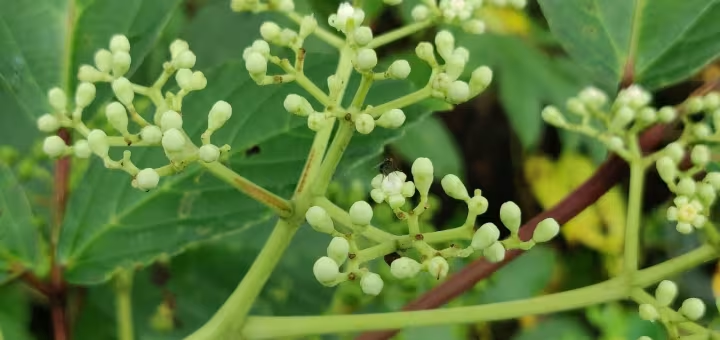
Description
Sowing dates
Sowing of Leea macrophylla seeds should be conducted in controlled greenhouse conditions to ensure high germination rates. The process typically begins in the spring when temperatures are consistent.
Seeds benefit from soaking in lukewarm water before planting to break dormancy. A nutrient-rich, well-draining seed-starting mix is recommended to support early development.
Seeds are sown at a shallow depth of approximately 1–2 cm. Maintaining a constant temperature of 22–25 degrees Celsius is critical during the initial weeks of incubation.
Once seedlings develop their first set of true leaves, they should be carefully transplanted into individual pots. Handling the root system with extreme care is essential to prevent shock.
Transplanting into the permanent outdoor location occurs only after all danger of frost has passed, ensuring the plants are well-acclimated to ambient conditions.
Growing requirements
Leea macrophylla is a member of the Vitaceae family, native to the tropical forests of India and parts of Southeast Asia. It is a robust perennial herb known for its large foliage.
The plant thrives in loamy, fertile soil that is rich in organic matter. Proper drainage is paramount, as the roots are sensitive to waterlogging, which can lead to rapid decay.
As a forest-floor species, it prefers partial to full shade. Direct exposure to intense midday sunlight can scorch the broad leaves and significantly reduce the plant's growth rate.
Consistent moisture is required for optimal performance. Regular irrigation, especially during dry spells, is necessary to keep the foliage hydrated and turgid.
Protection from high winds is advised, as the large leaves can easily tear. Planting in sheltered areas or near natural windbreaks will help maintain the plant's structural integrity.
Yield
The economic value of Leea macrophylla lies primarily in its leaves and roots, which are used in traditional herbal medicine systems. Sustainable harvesting is key to maintaining a productive plantation.
Harvesting biomass is generally performed during the peak growing season. Manual collection of leaves ensures higher quality control and avoids damaging the central stalks of the plant.
Root harvesting is typically scheduled for the second or third year of cultivation. This timing ensures that the concentration of secondary metabolites in the roots is at its highest.
The dry mass yield depends on plant density and soil quality. Proper post-harvest handling, including rapid drying in ventilated areas, prevents the degradation of active compounds.
Continuous monitoring of the crop helps determine the ideal harvest time, balancing maximum biomass production with the peak pharmacological potency of the plant parts.
Main diseases and pests
Spider mites and mealybugs are the most frequent pests affecting the crop, particularly in low-humidity environments. Regular monitoring is essential to detect early infestations.
Fungal issues, such as root rot and powdery mildew, often arise due to poor drainage or stagnant air circulation. Maintaining proper spacing between plants is an effective preventative measure.
Bacterial leaf spots can occur under high humidity and heat, necessitating the prompt removal of affected foliage to prevent the spread of the pathogen throughout the field.
Biological controls, such as introducing beneficial insects, can effectively manage pest populations without the need for harsh synthetic chemicals that might affect the quality of the raw material.
A proactive approach to sanitation, including the removal of dead plant debris, is highly effective in reducing the risk of disease outbreaks in Leea plantations.
Harvesting
Leaf harvesting is done sequentially throughout the season. Only mature leaves should be collected to ensure the plant continues to produce new growth for the duration of the cycle.
Roots are harvested at the end of the vegetative cycle. They must be washed thoroughly to remove soil particles without causing deep abrasions to the outer layer of the root.
Once harvested, the material should be processed immediately. Given the high water content of the tissues, delays in drying can lead to the rapid onset of mold or fermentation.
Dried products should be stored in a cool, dark, and dry environment. Utilizing breathable storage containers ensures that moisture does not accumulate, preserving the quality of the material.
Seed collection is performed after the fruits fully ripen and turn color. The seeds are extracted from the fruit, cleaned, and dried for future planting cycles or sale.