
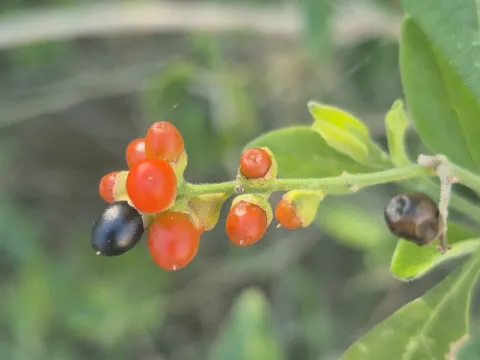
Citharexylum
Citharexylum
Citharexylum is a genus of flowering plants belonging to the Verbenaceae family. It consists of various species of trees and shrubs, often referred to as fiddlewoods, which are highly valued in tropical and subtropical landscaping for their dense foliage and fragrant, nectar-rich flowers.
What the section contains
 Berlandier's fiddlewood
Citharexylum berlandieri
Berlandier's fiddlewood
Citharexylum berlandieri
 Citharexylum caudatum
Citharexylum caudatum
Citharexylum caudatum
 Citharexylum montevidense
Citharexylum montevidense
Citharexylum montevidense
 Citharexylum myrianthum
Citharexylum myrianthum
Citharexylum myrianthum
 Citharexylum reticulatum
Citharexylum reticulatum
Citharexylum reticulatum
 Citharexylum subflavescens
Citharexylum subflavescens
Citharexylum subflavescens
 Fiddlewood
Citharexylum spinosum
Fiddlewood
Citharexylum spinosum
Citharexylum
The genus originates from the Americas, with a native range extending from the southern United States through the Caribbean and down into South America. These plants are naturally adapted to diverse habitats, ranging from tropical rainforests to open woodland settings.
For successful cultivation, Citharexylum requires well-drained, nutrient-rich soil. It thrives in locations that receive full sun to partial shade. Consistent moisture is essential during the early stages of growth, although mature plants can demonstrate moderate tolerance to periods of dry weather.
The climate requirements are strictly tropical or warm subtropical. As the plants are not frost-tolerant, they cannot survive freezing temperatures. In cooler climates, they must be managed in greenhouses or as container plants, ensuring they are sheltered during colder months.
In agricultural and ornamental settings, Citharexylum is primarily used for landscaping purposes. Its ability to tolerate pruning makes it an ideal candidate for formal hedges, privacy screens, and specimen trees in public parks, contributing significantly to urban biodiversity.
The primary pests affecting Citharexylum include common scale insects, whiteflies, and aphids, which frequently infest the undersides of leaves and young stems. Integrated pest management strategies, including the use of horticultural oils, are effective in controlling these populations.
Fungal issues, such as leaf spot or root rot, may occur if the plant is subjected to poor soil drainage or inadequate air circulation. Maintaining proper hygiene, including the removal of dead foliage, is crucial to ensuring the plant remains healthy and resistant to diseases.